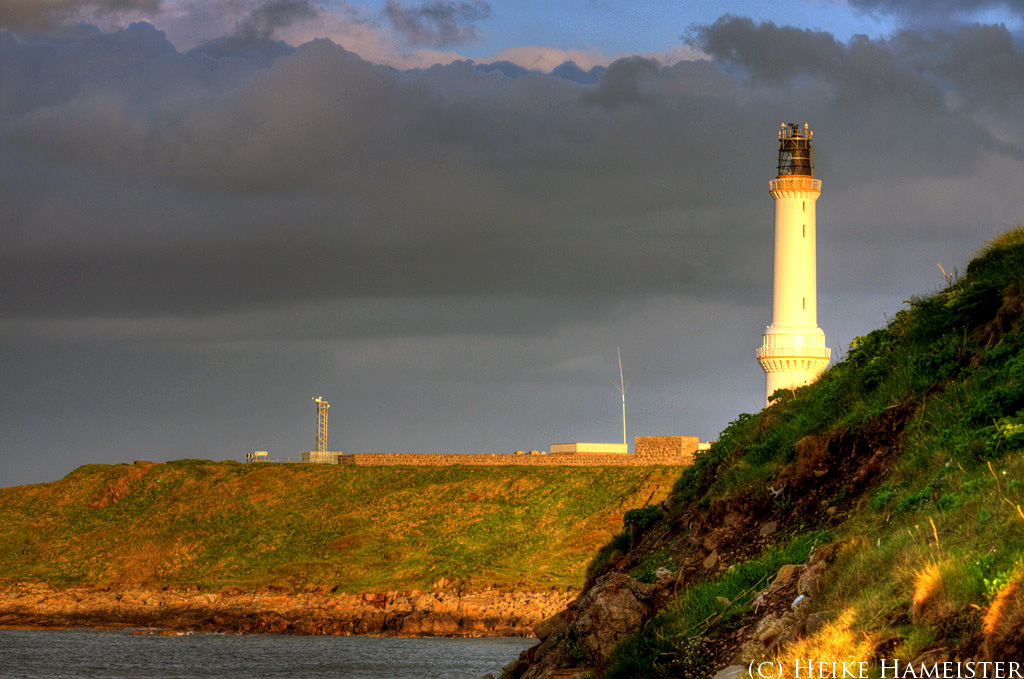
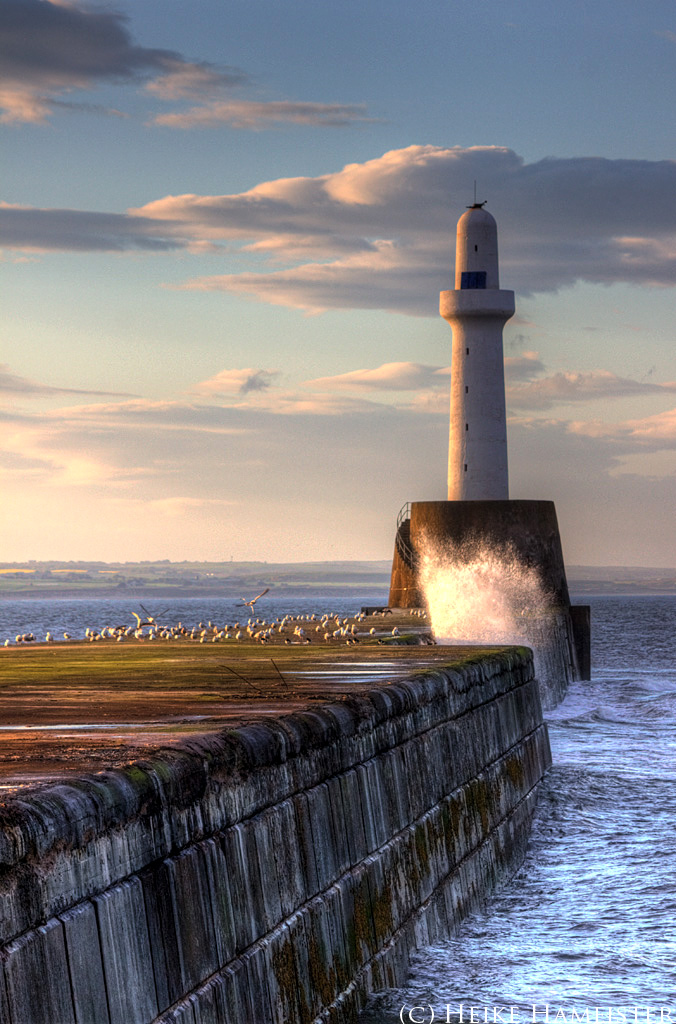
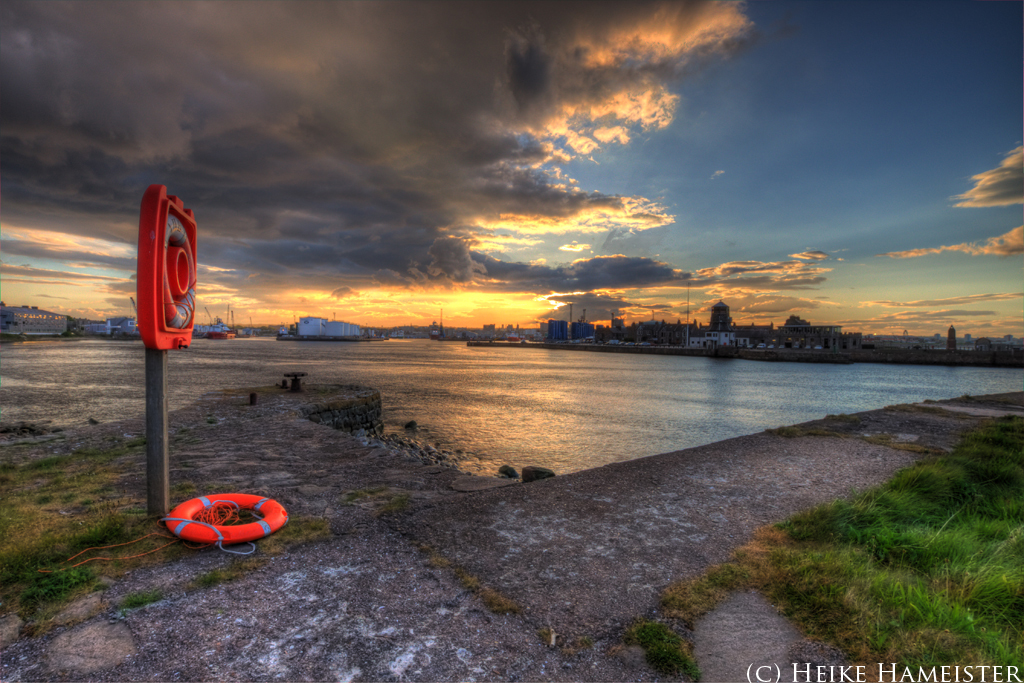
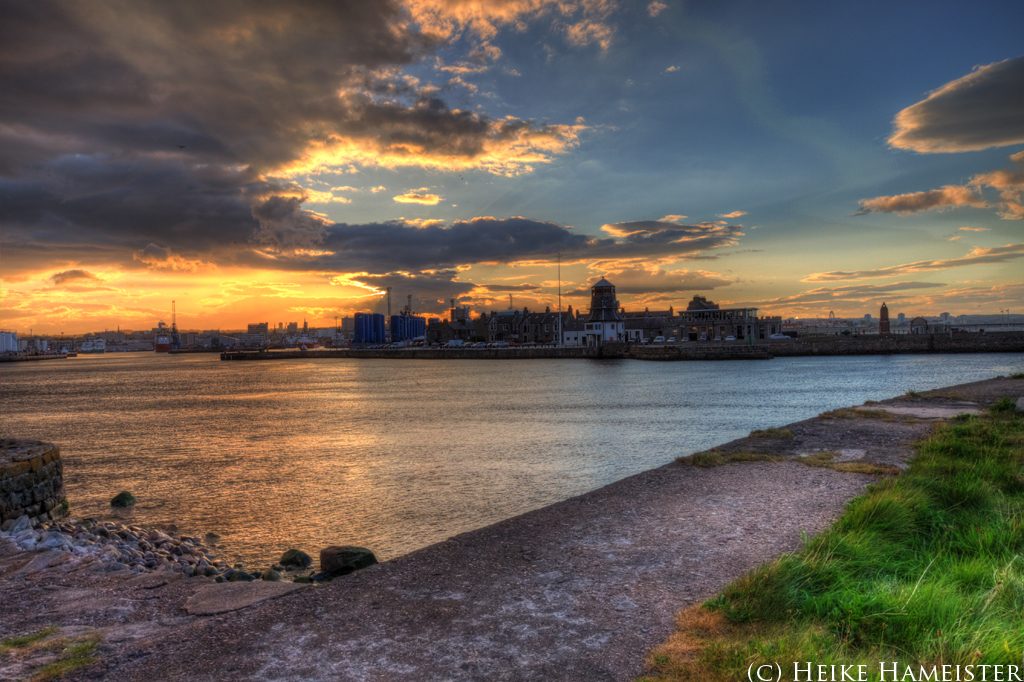
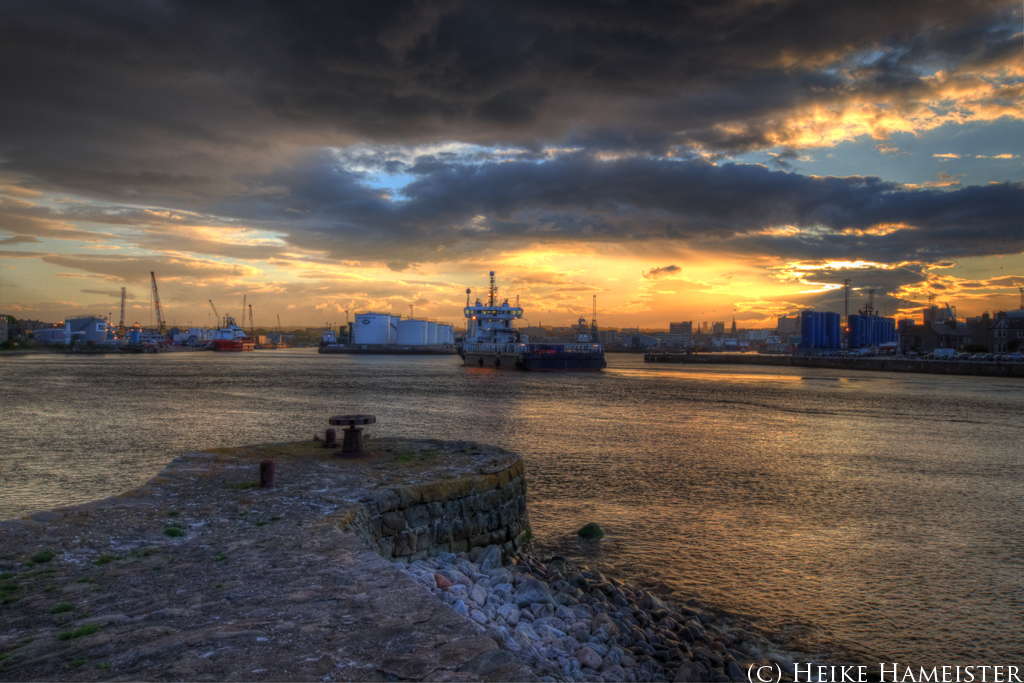
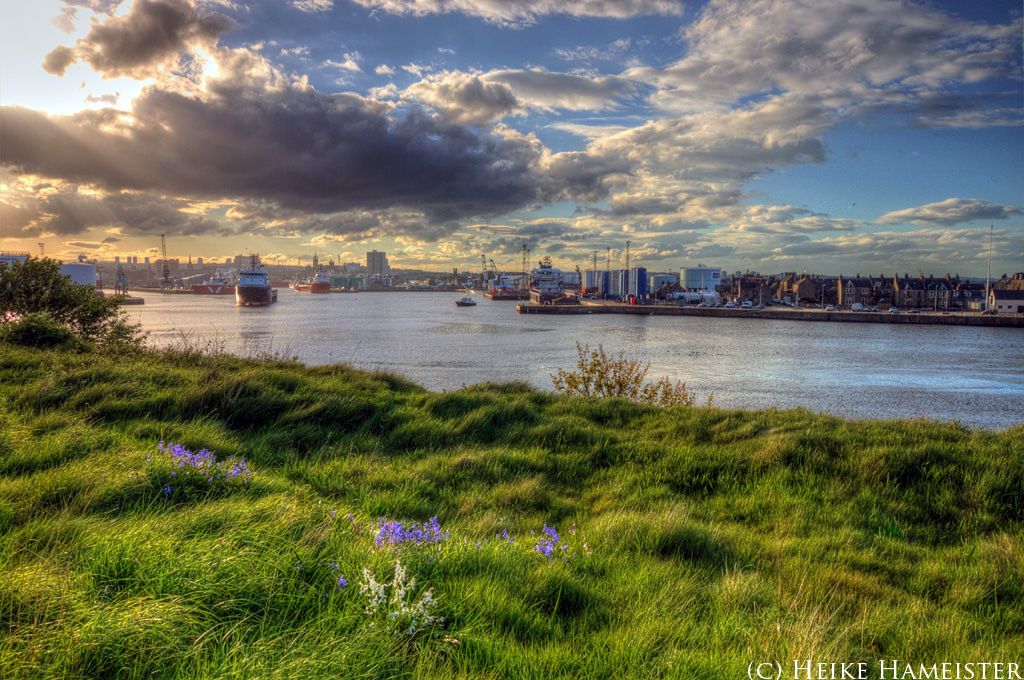
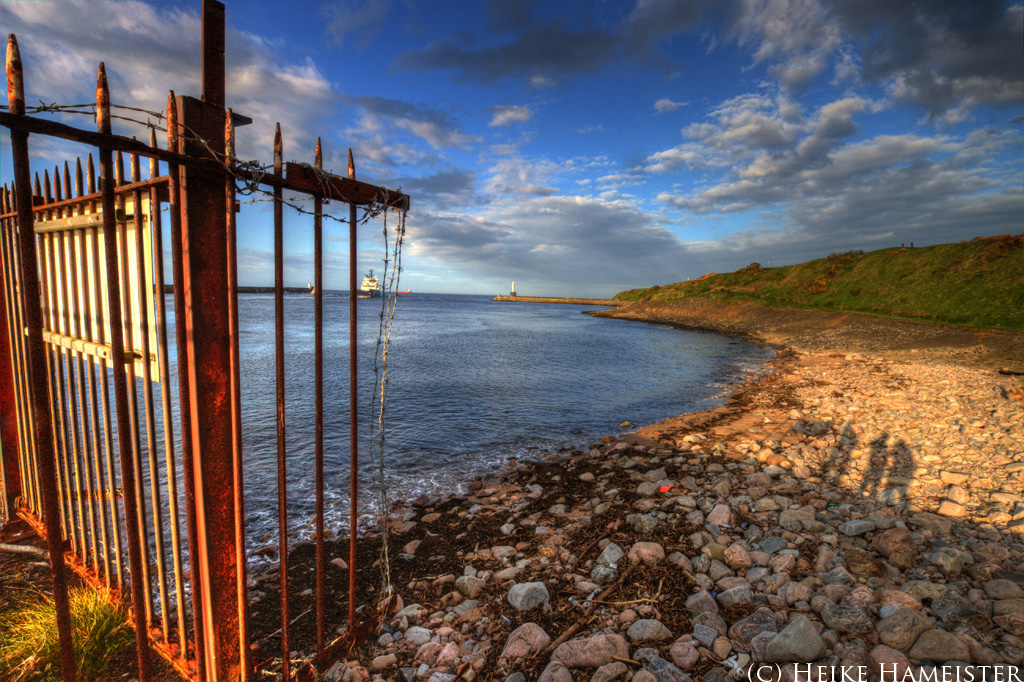
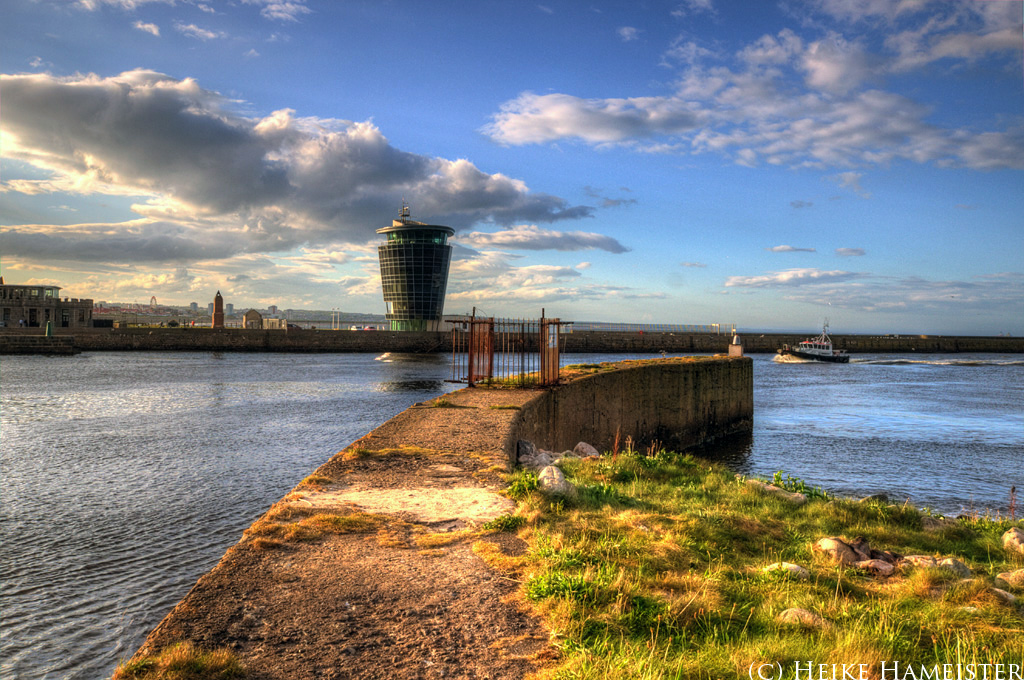
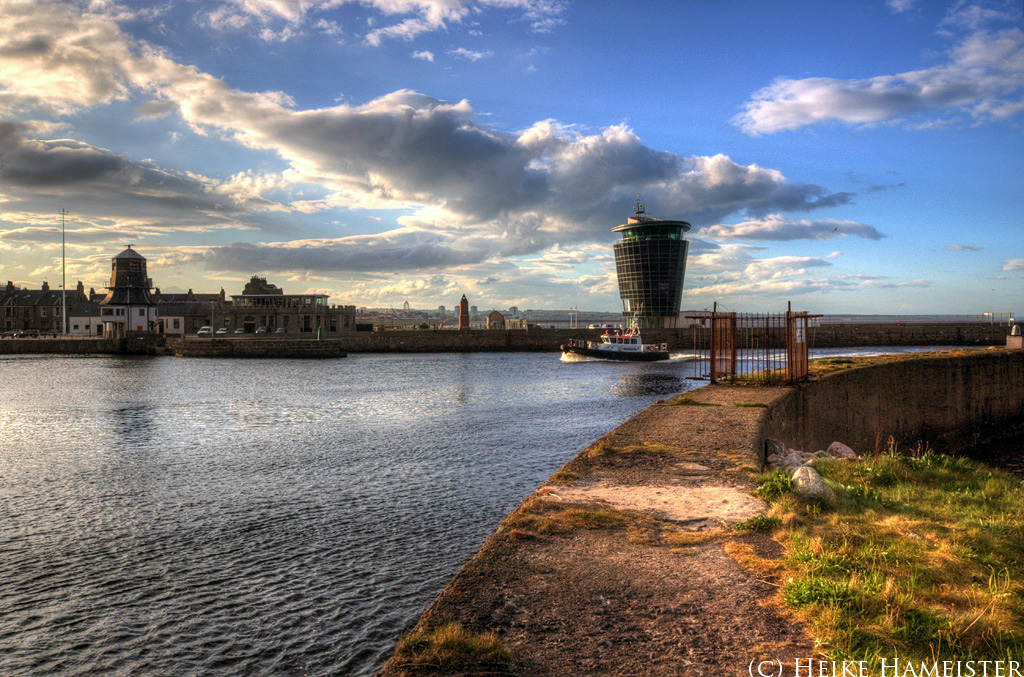
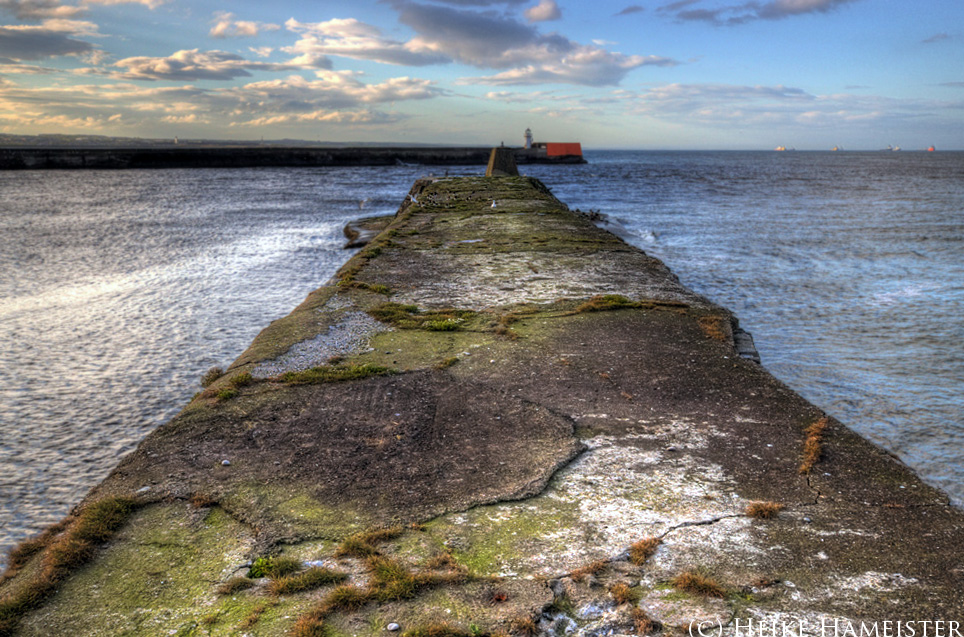
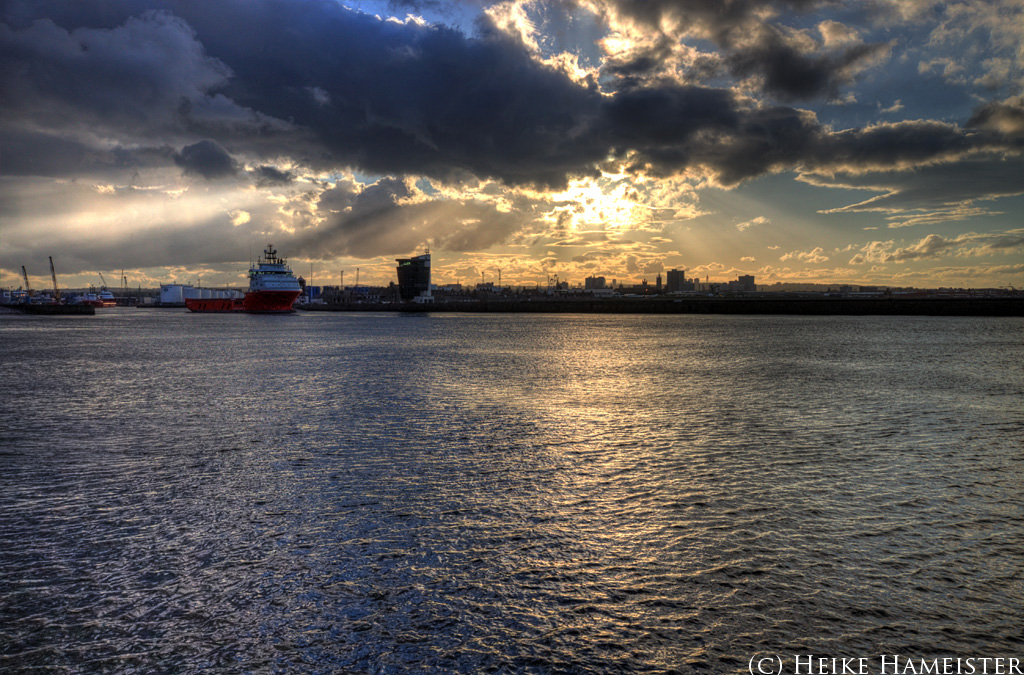
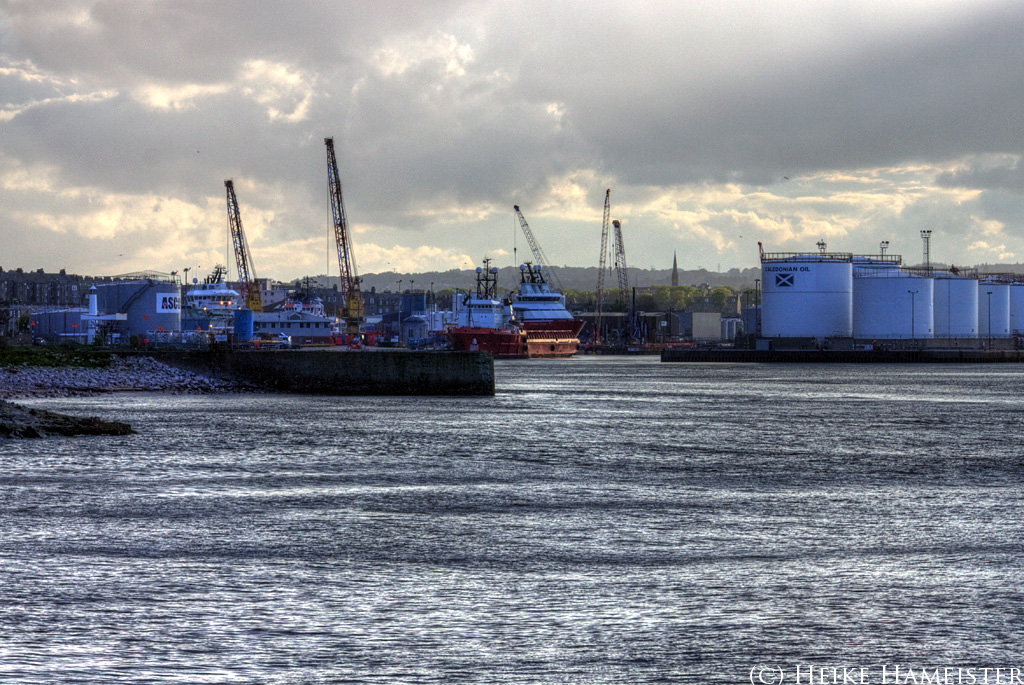
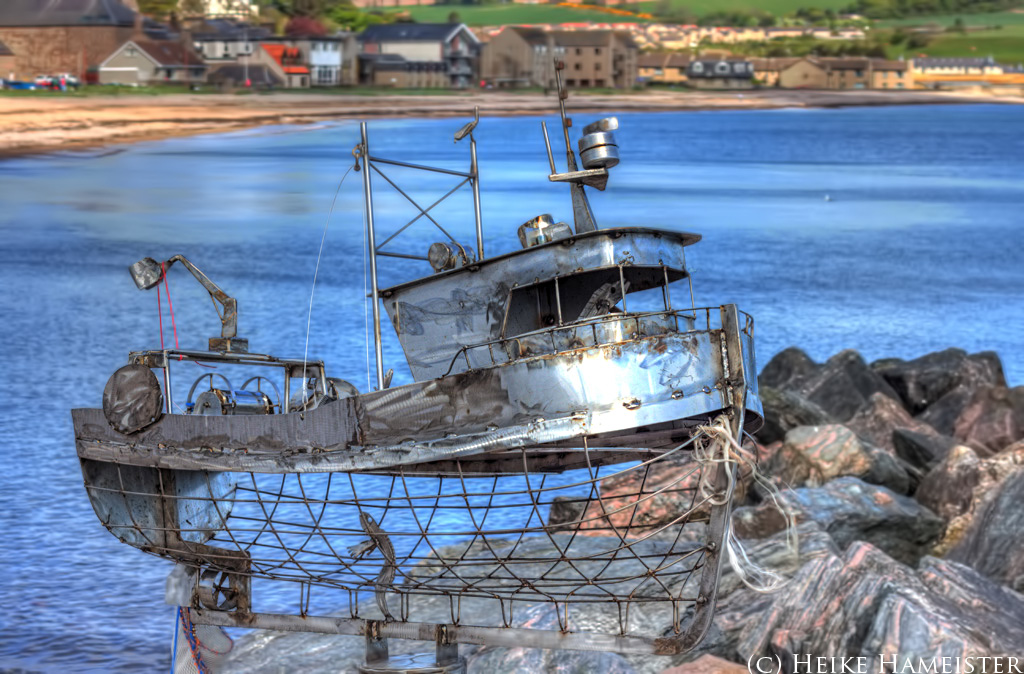
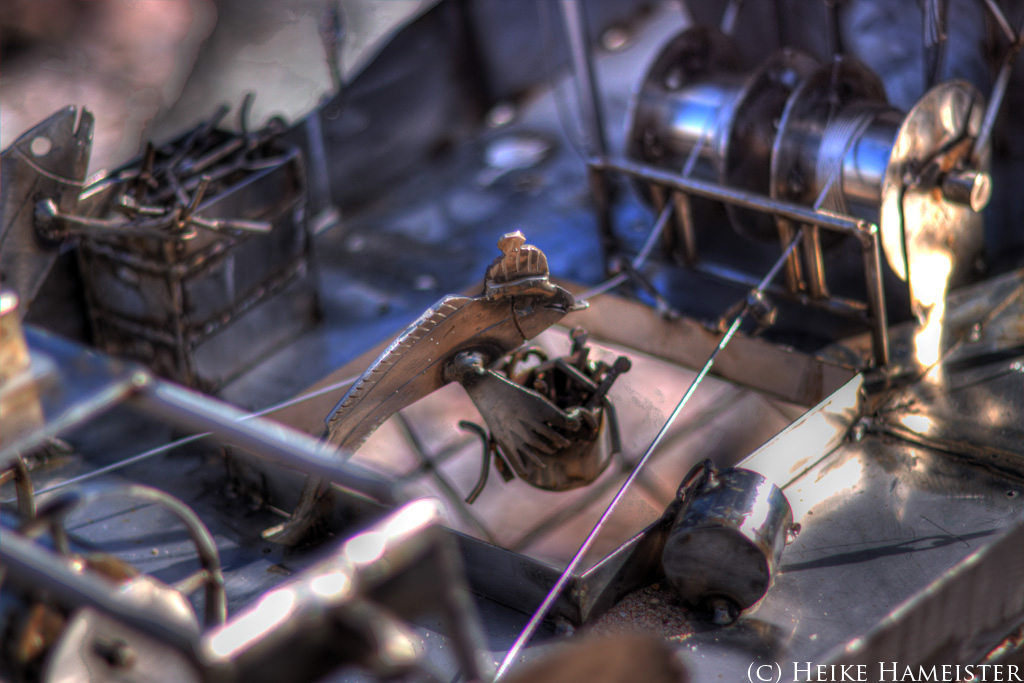
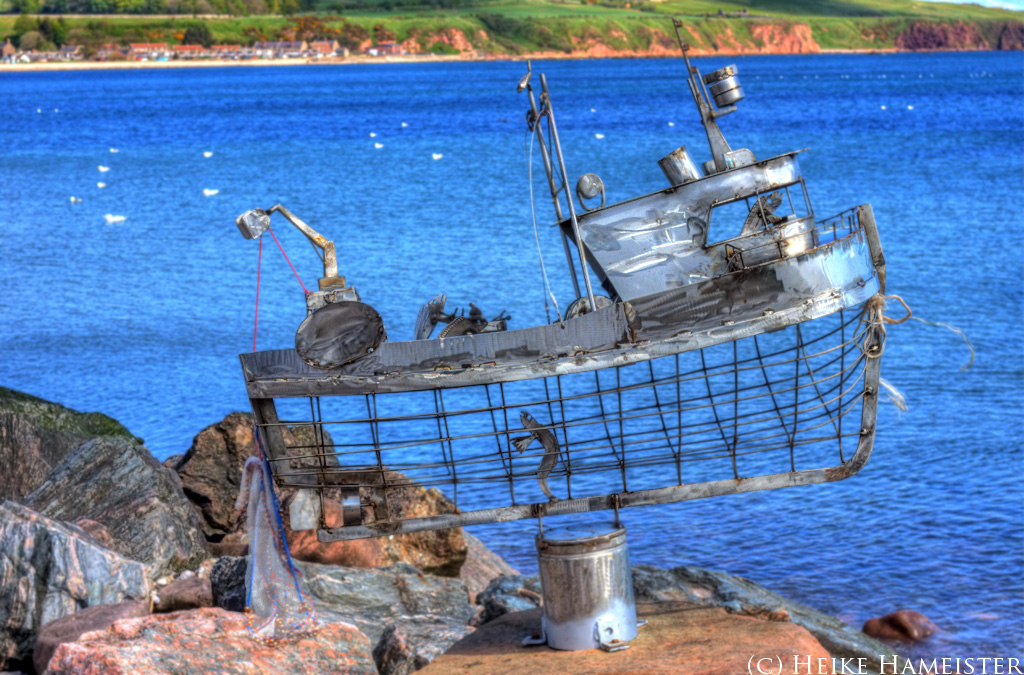
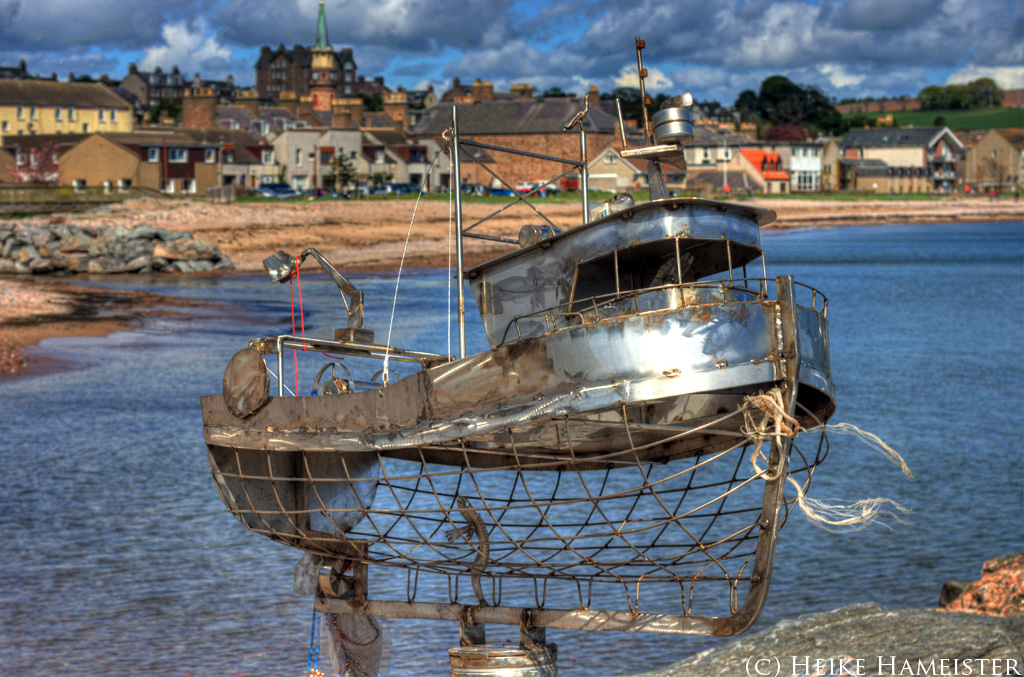
I found this nice little fishing smuck in Stonehaven, Scotland.
|
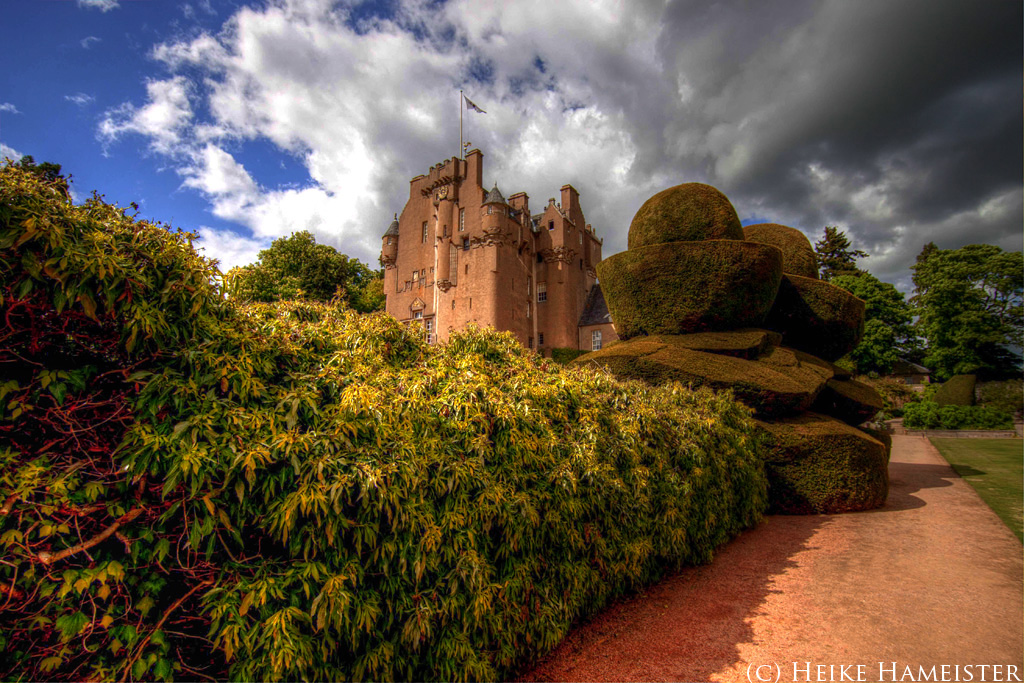
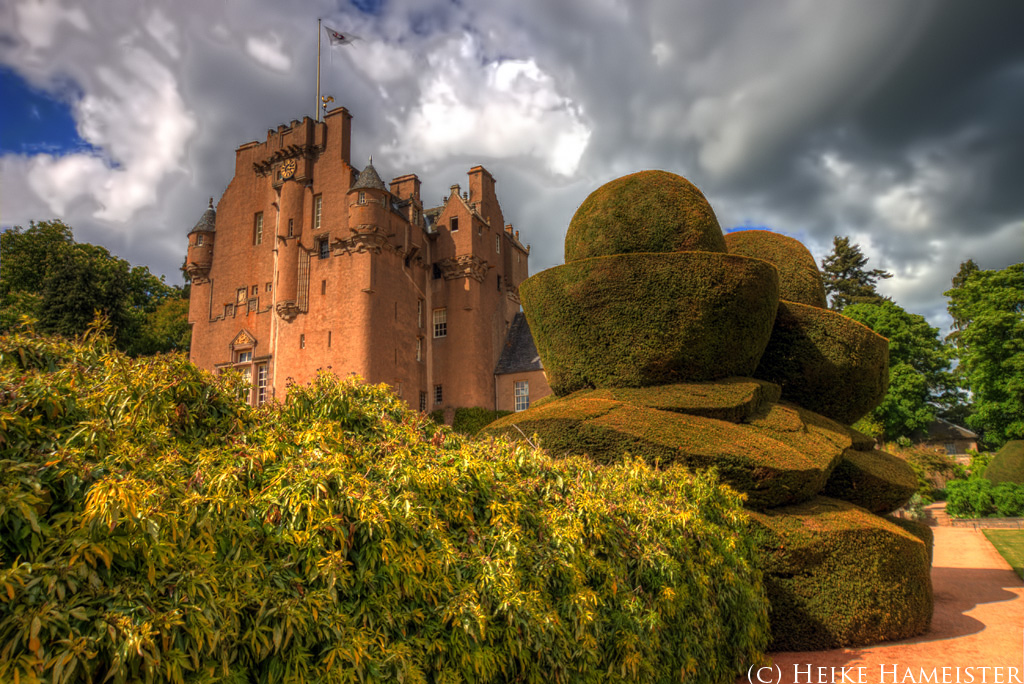
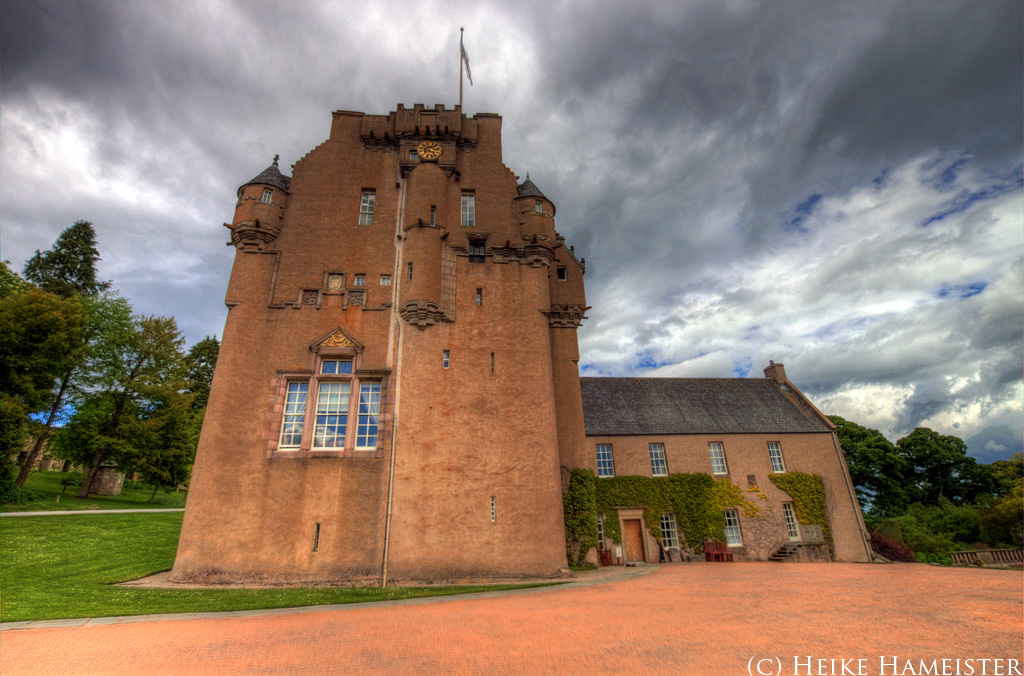
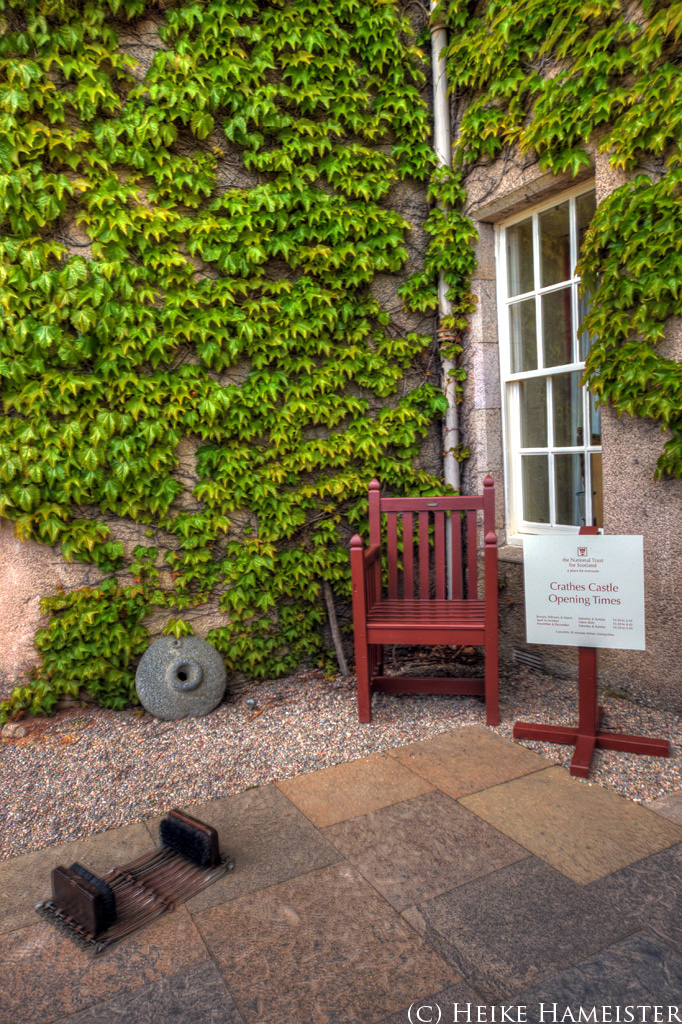
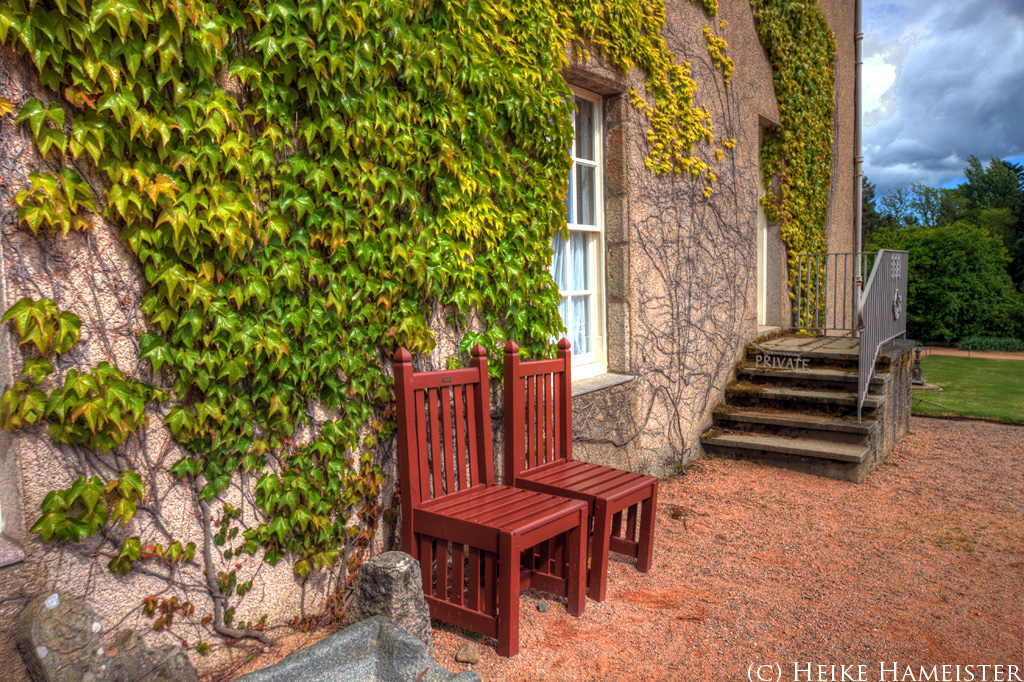
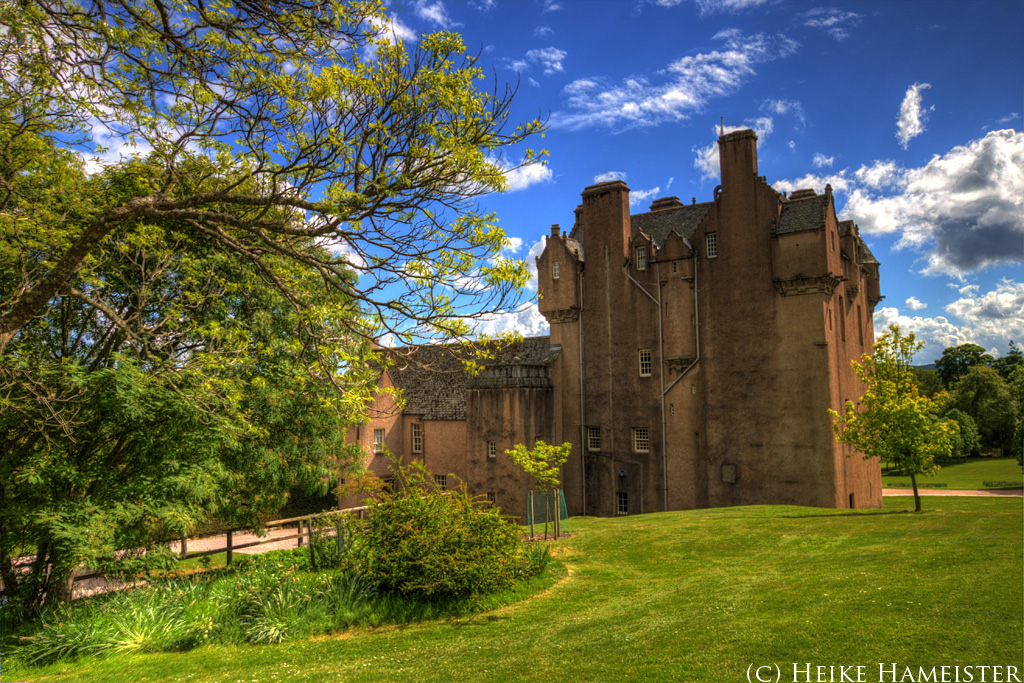
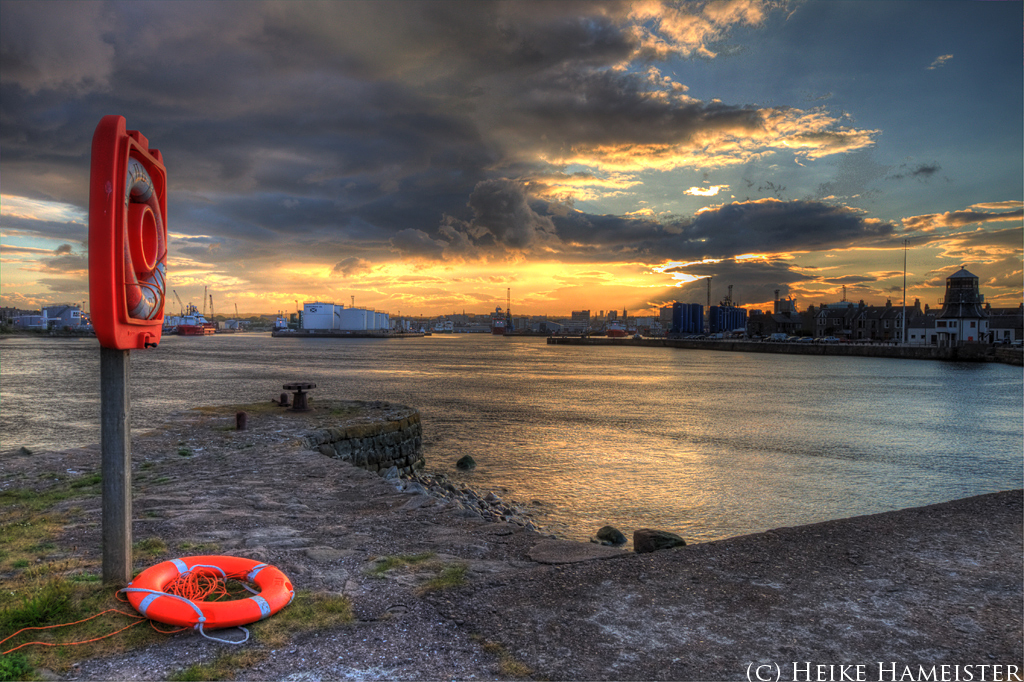
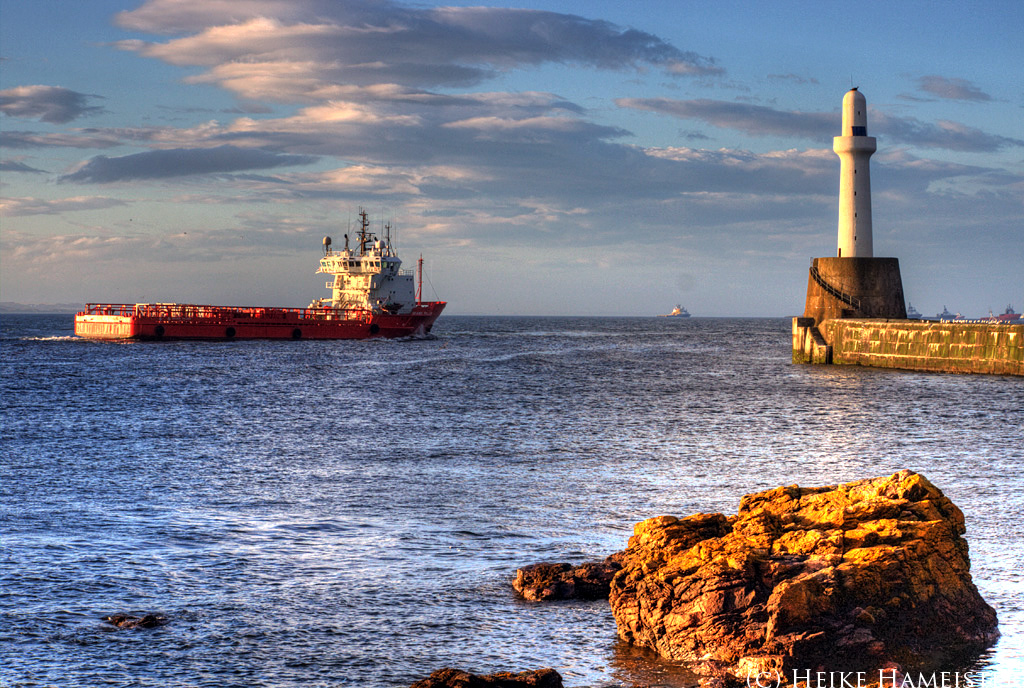
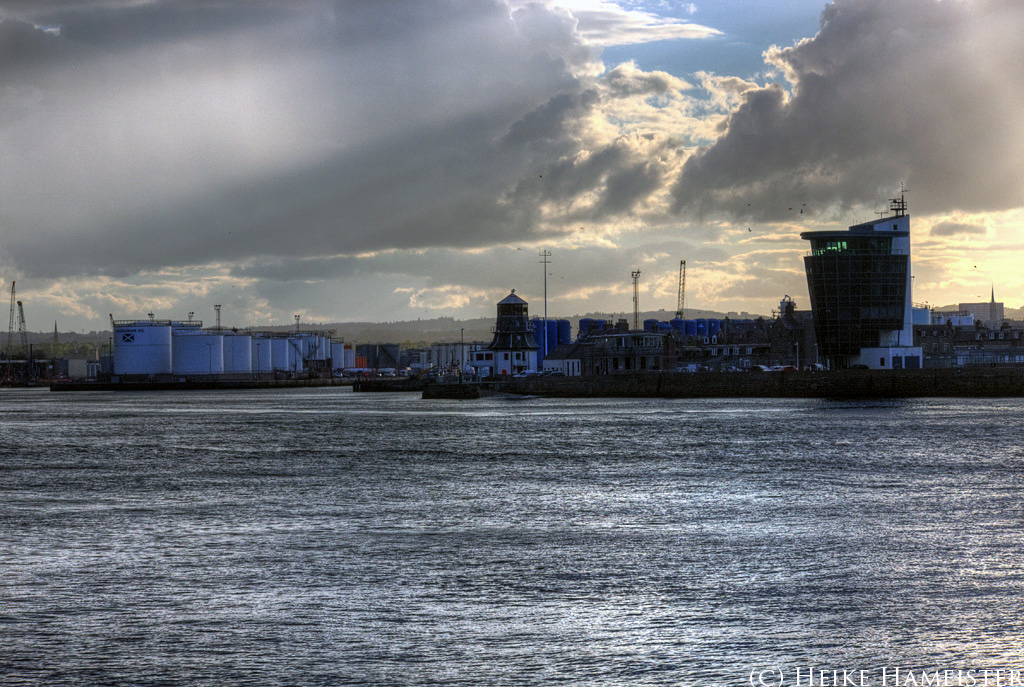
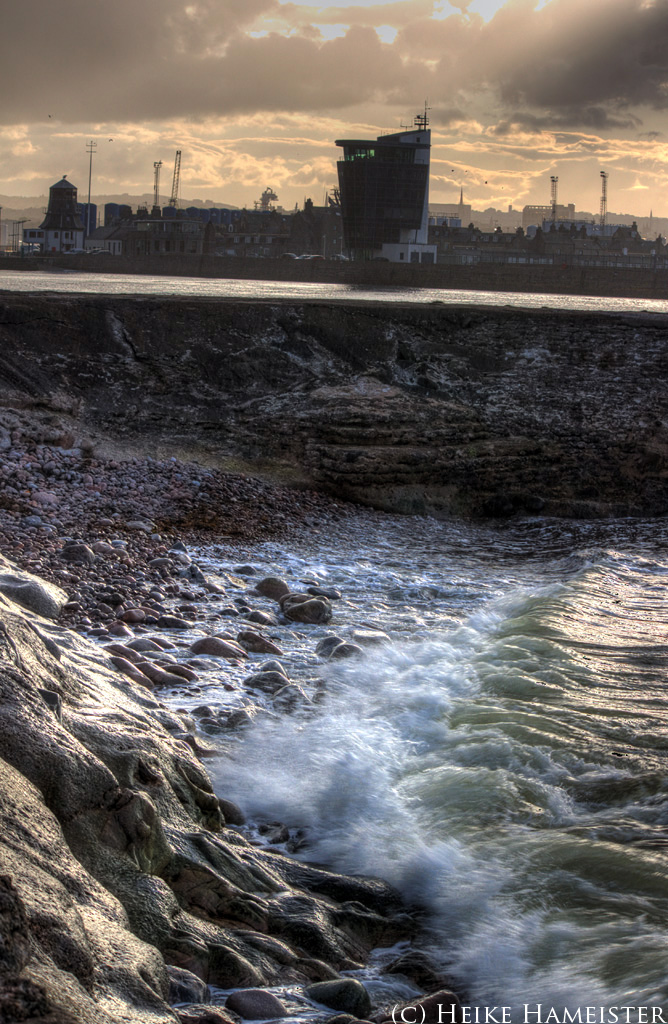
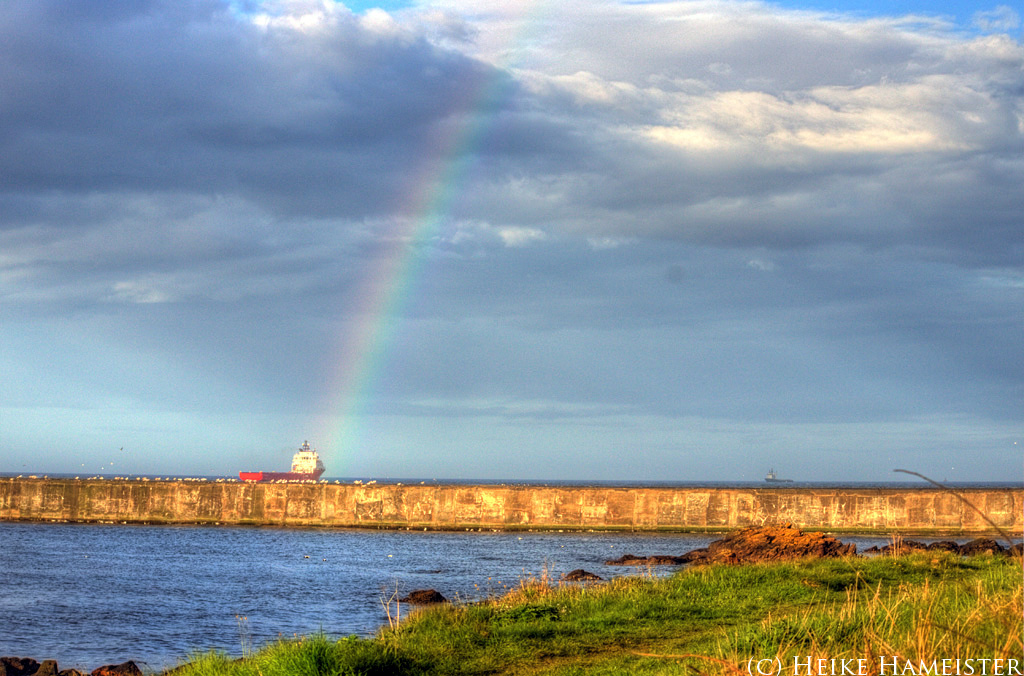
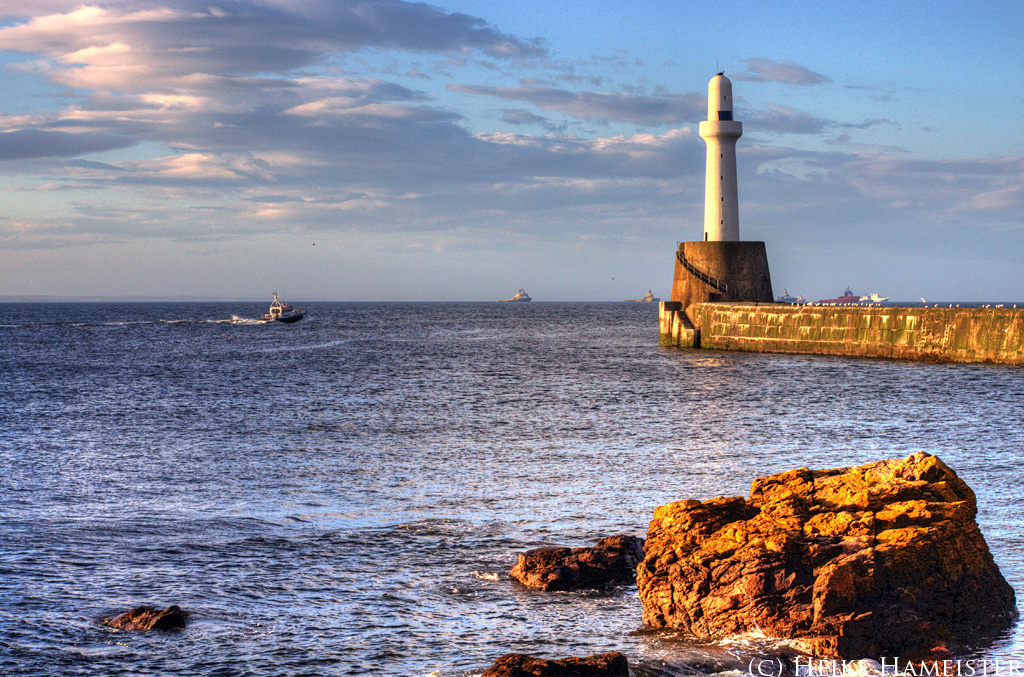
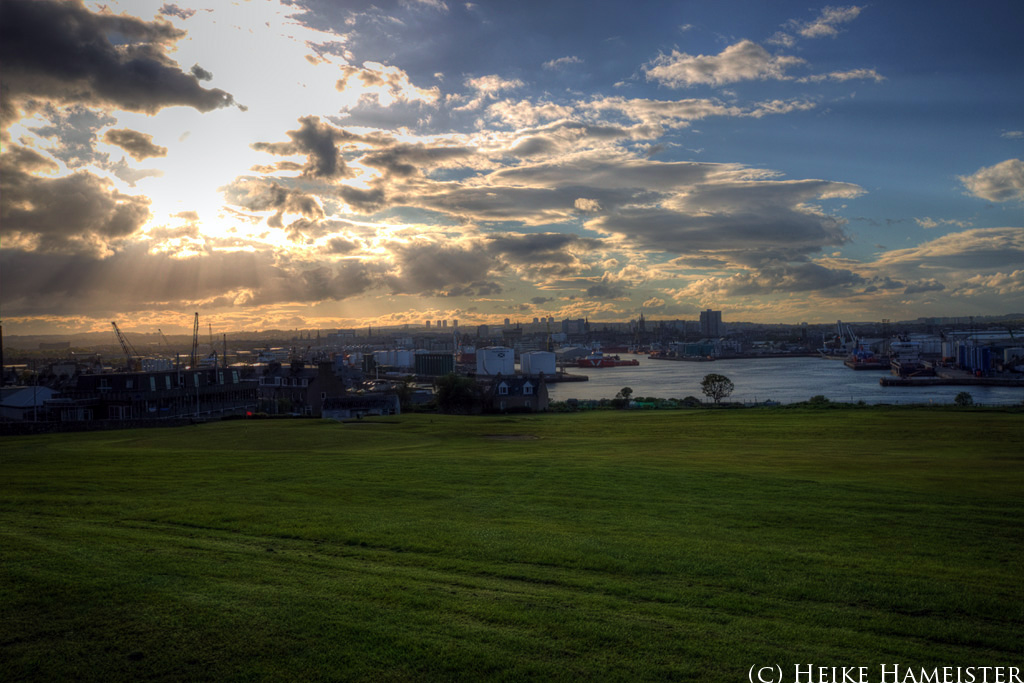
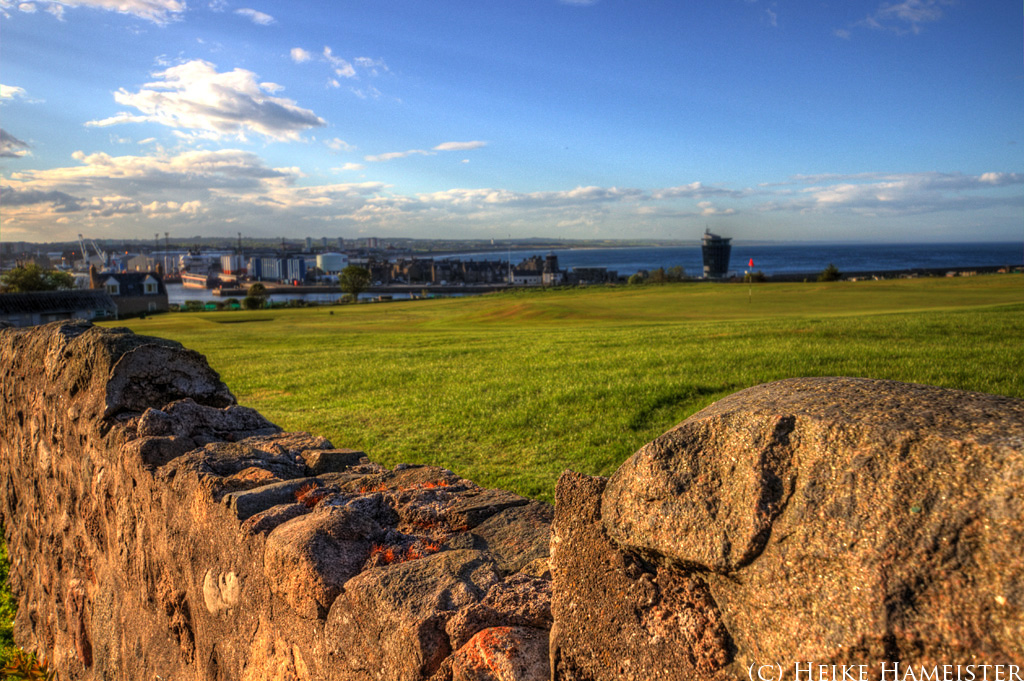
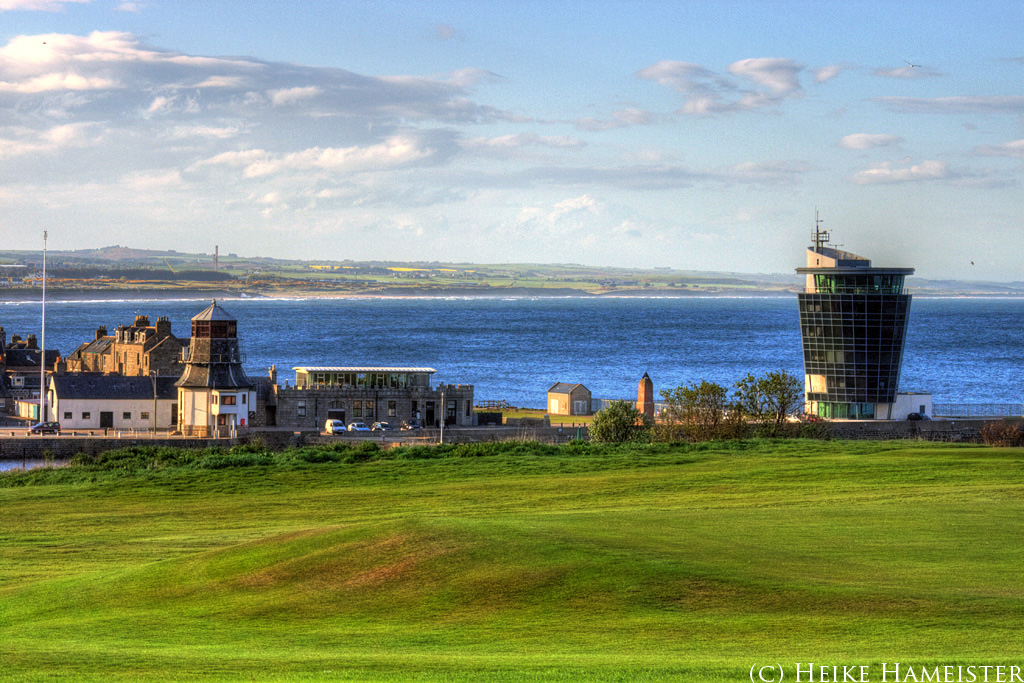
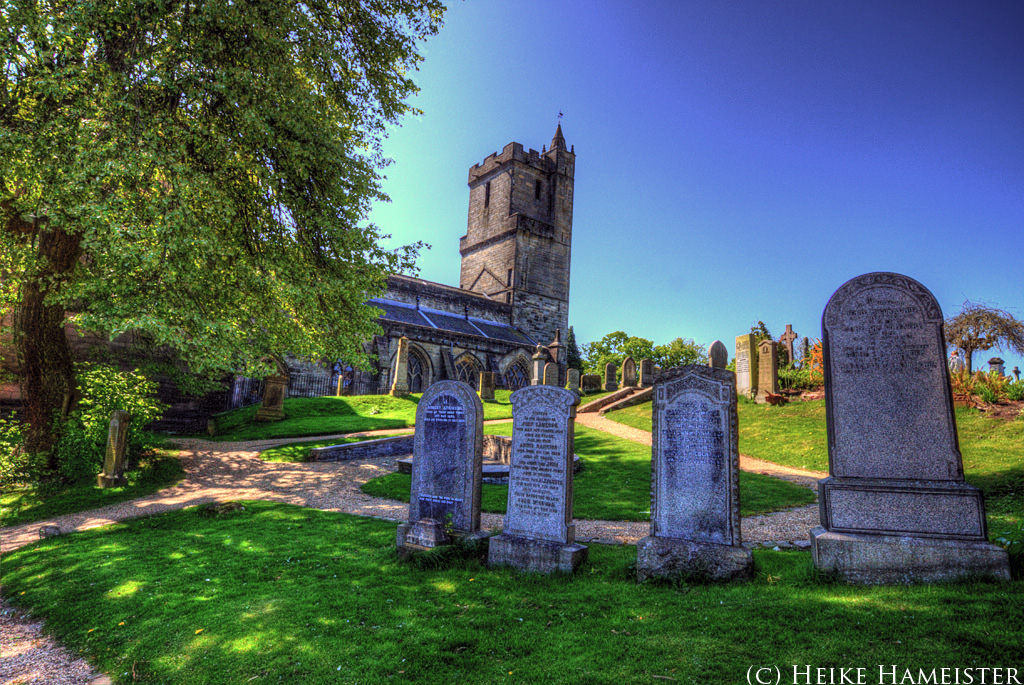
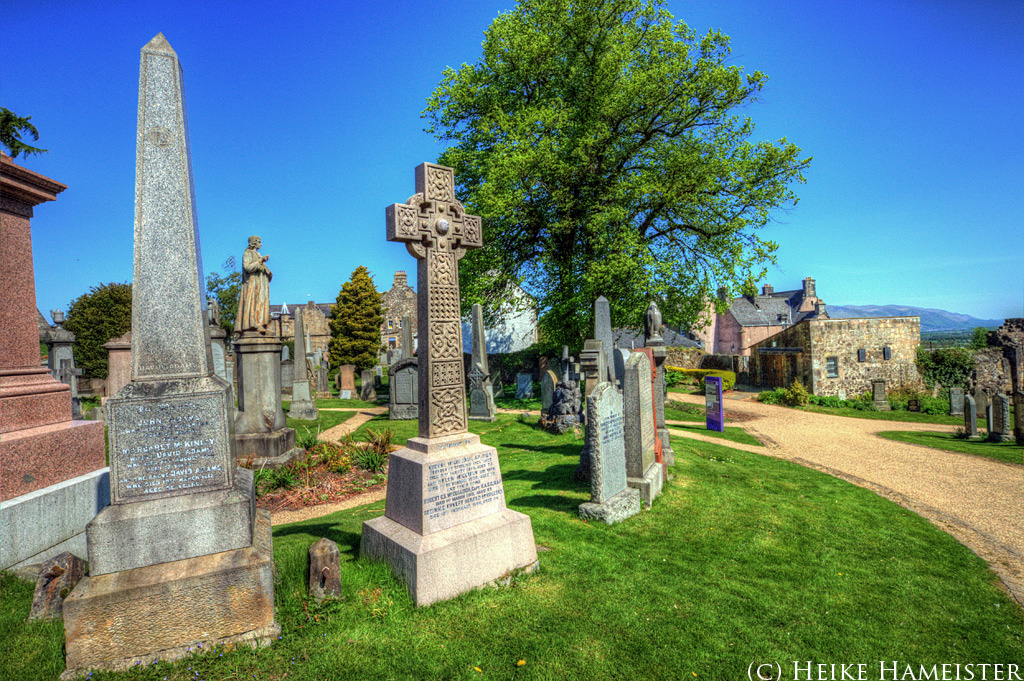
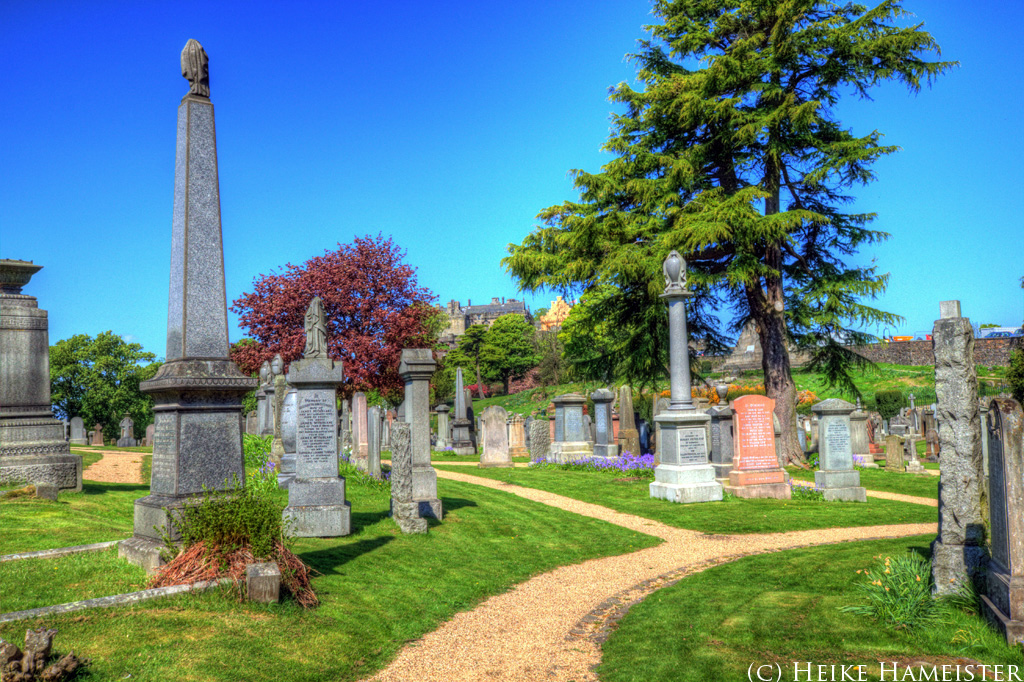
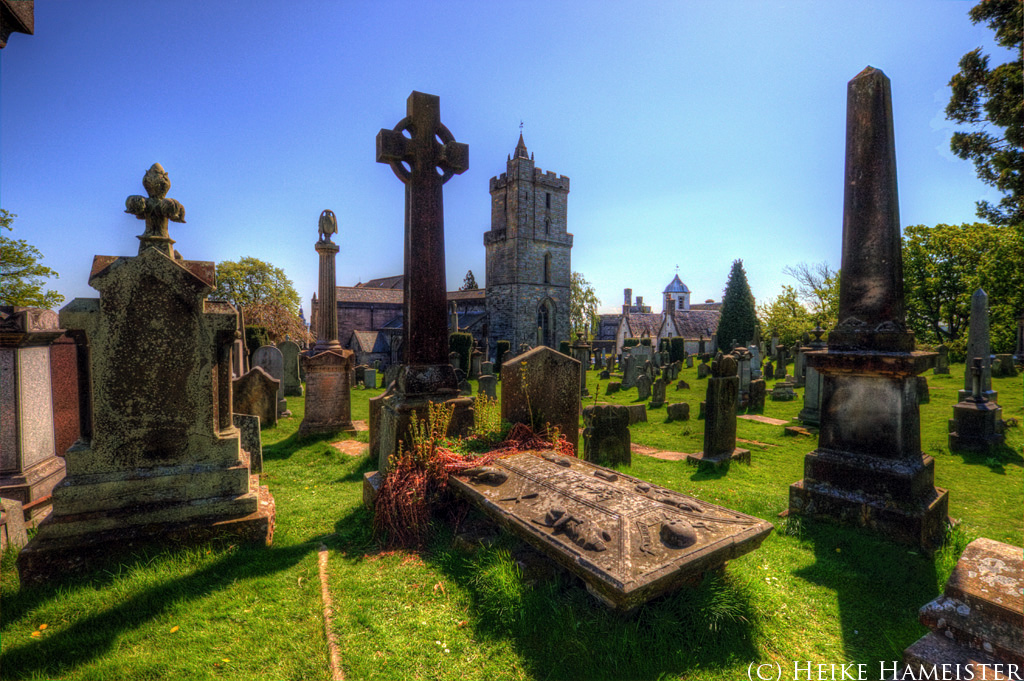
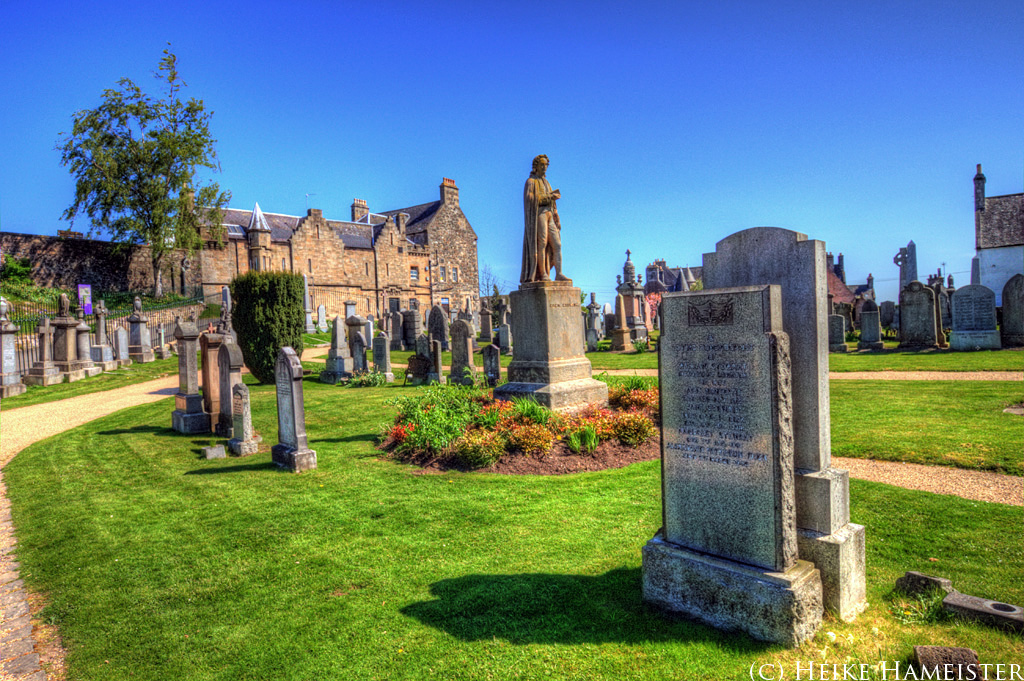
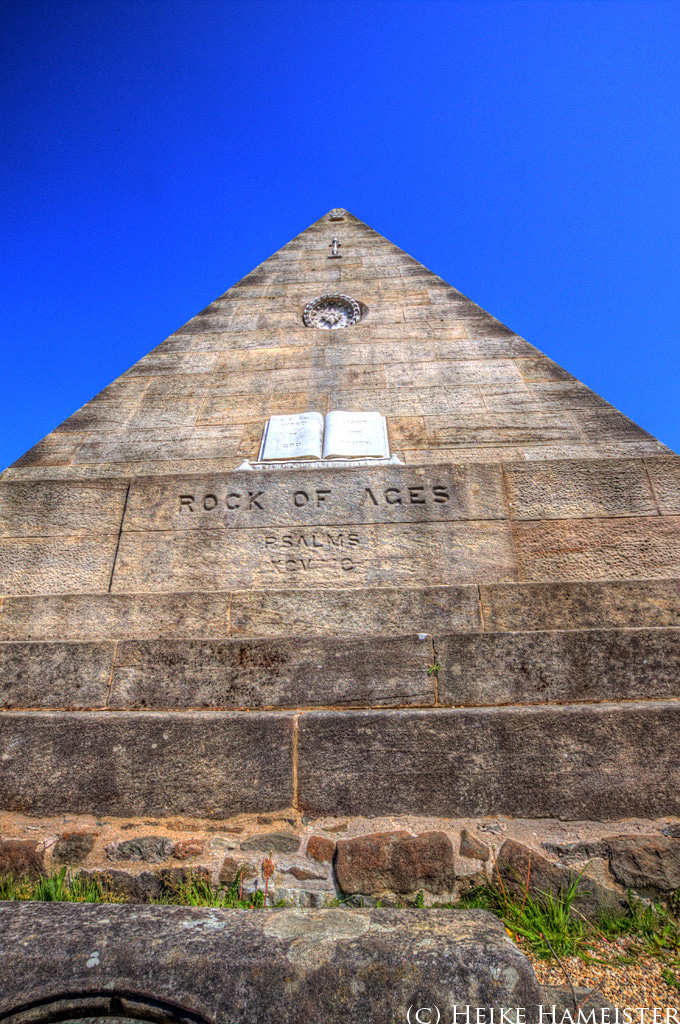
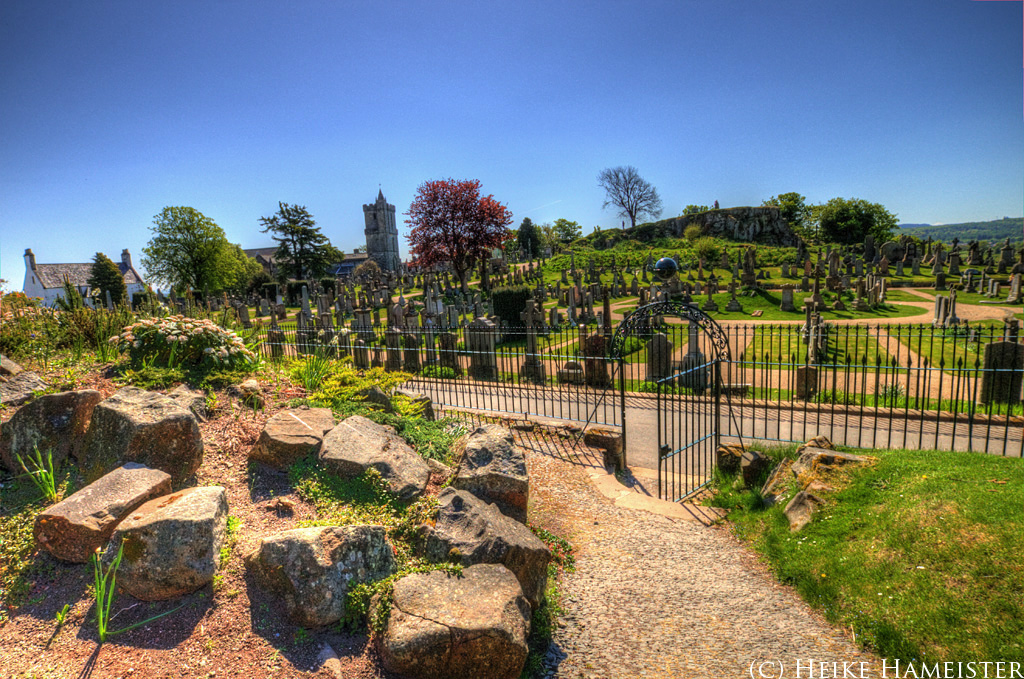
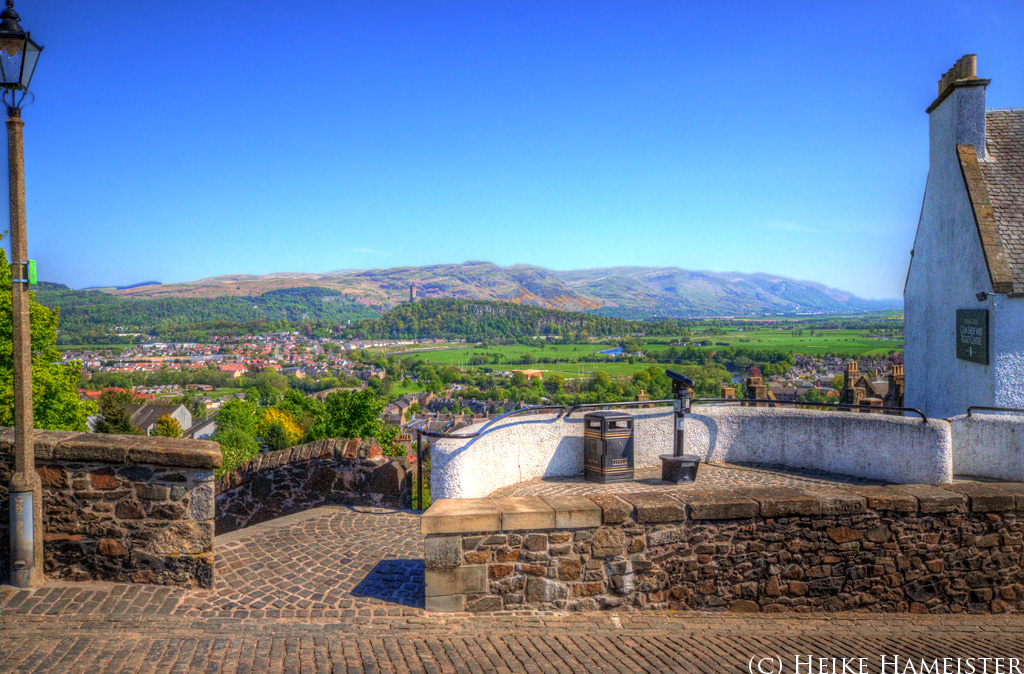
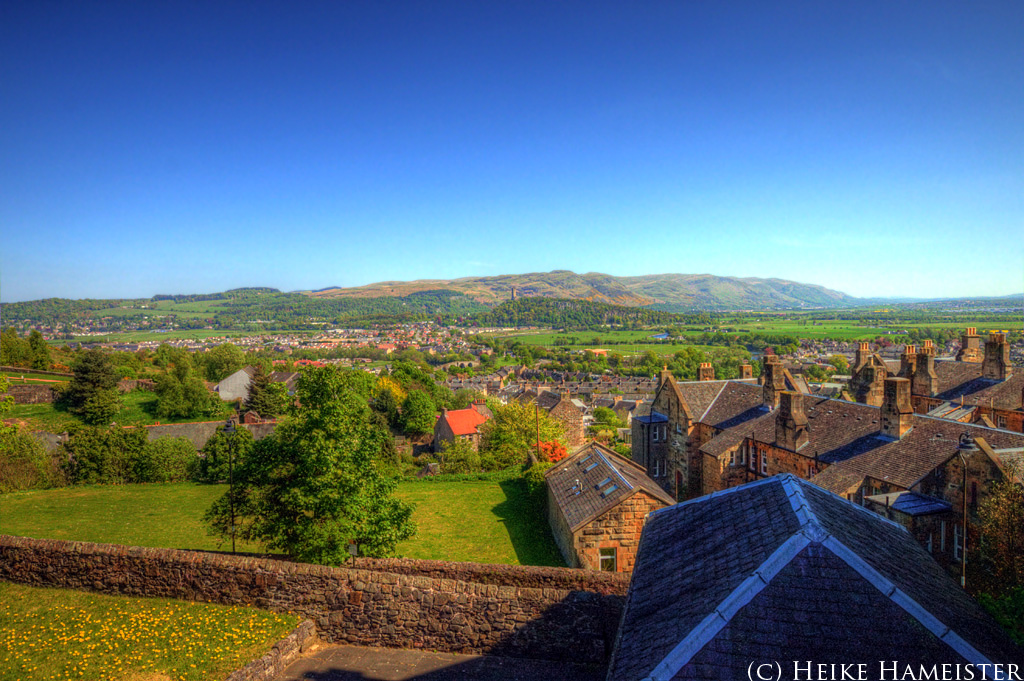
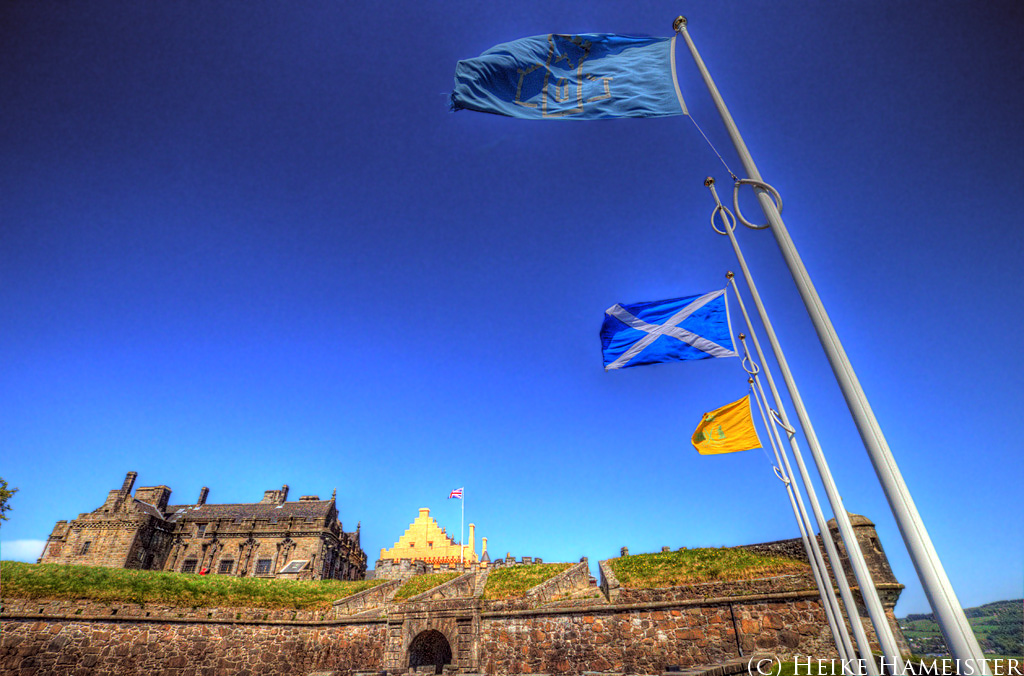
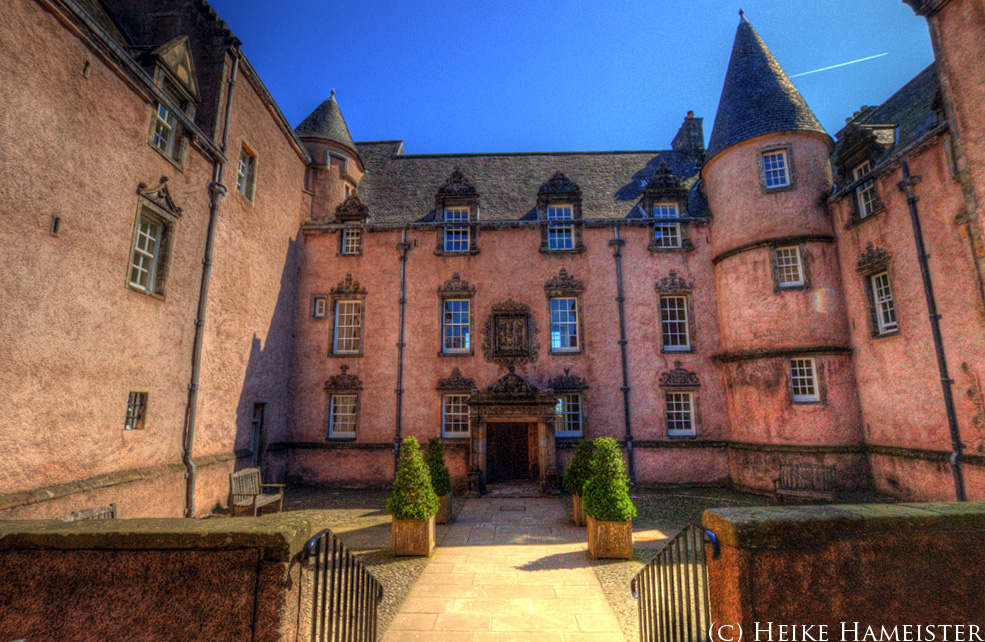
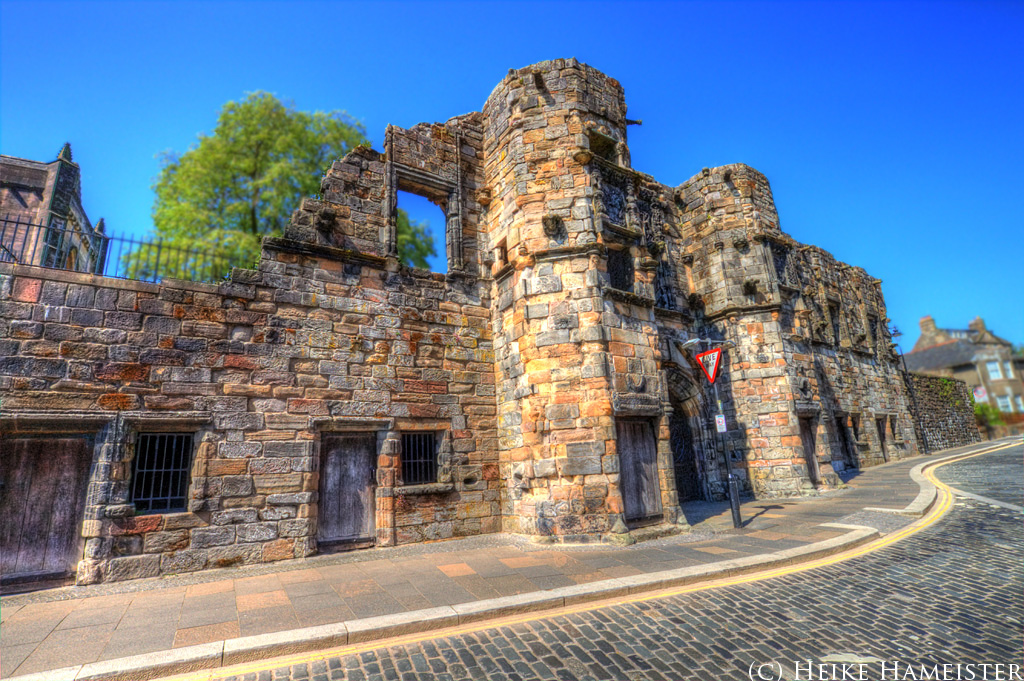
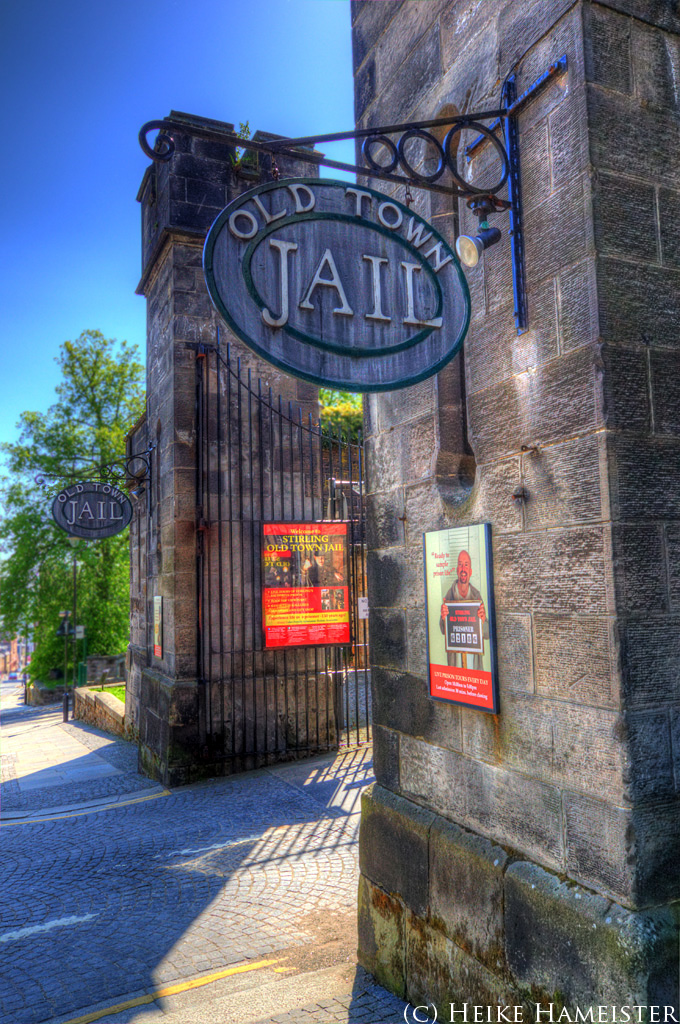
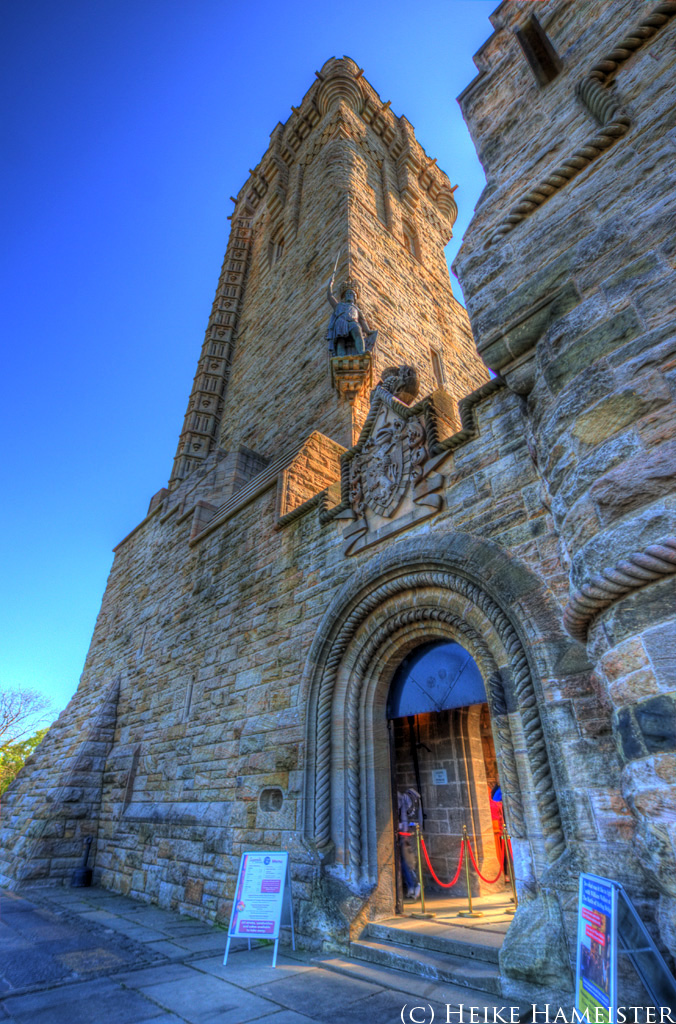
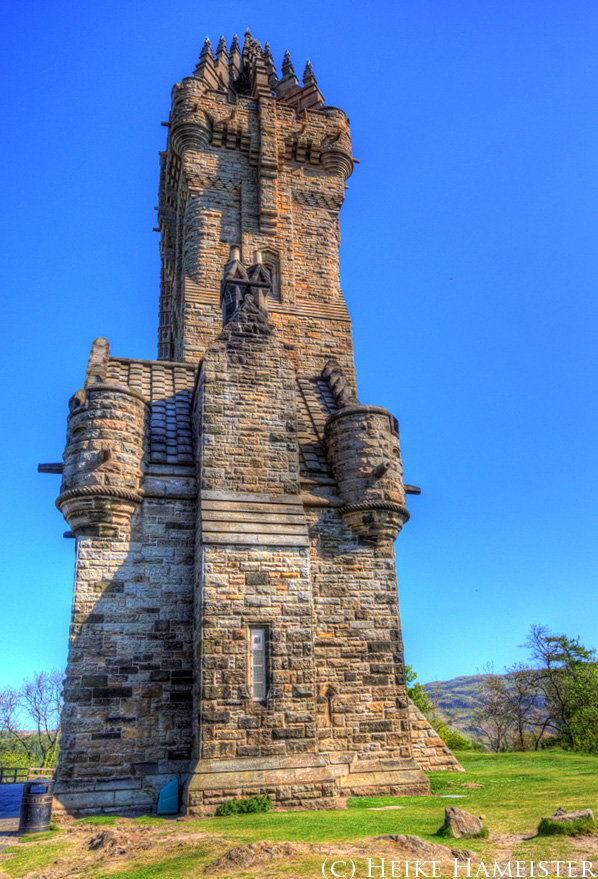
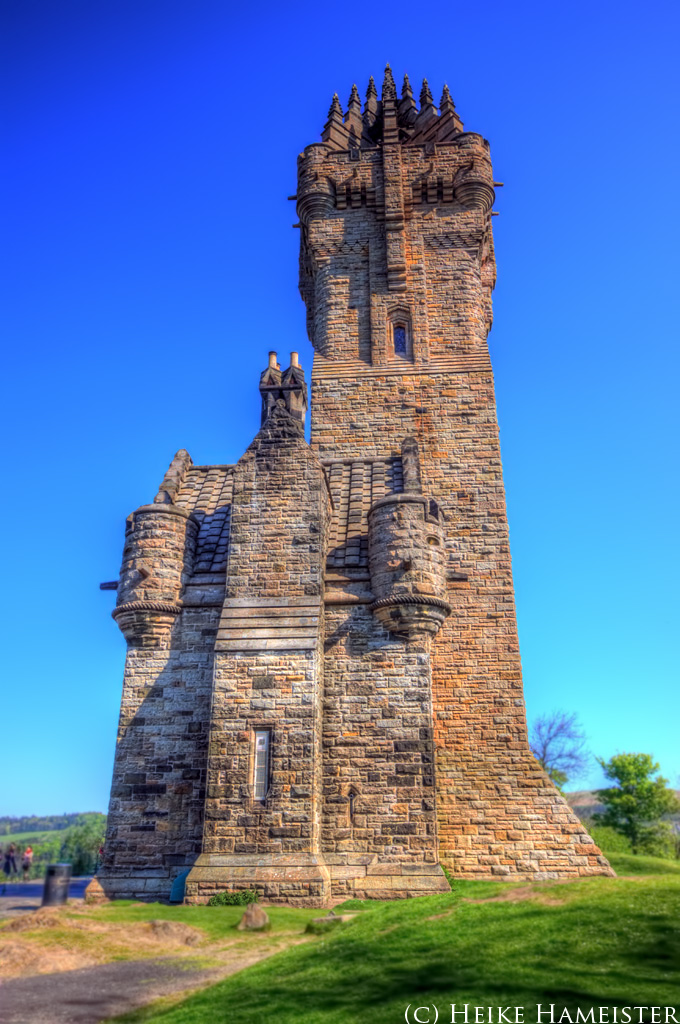
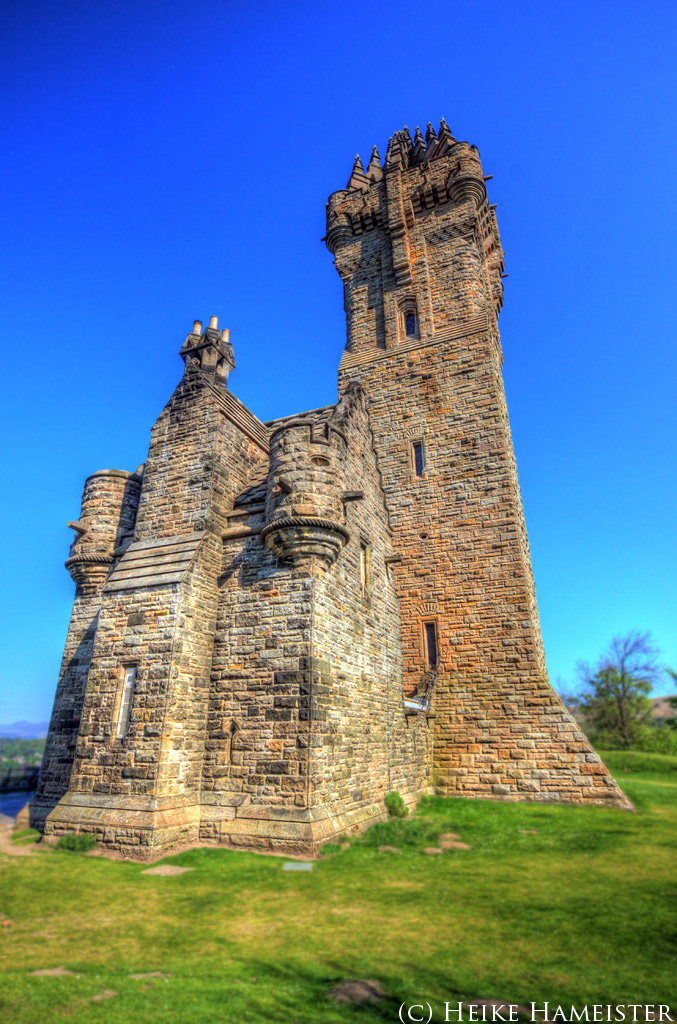
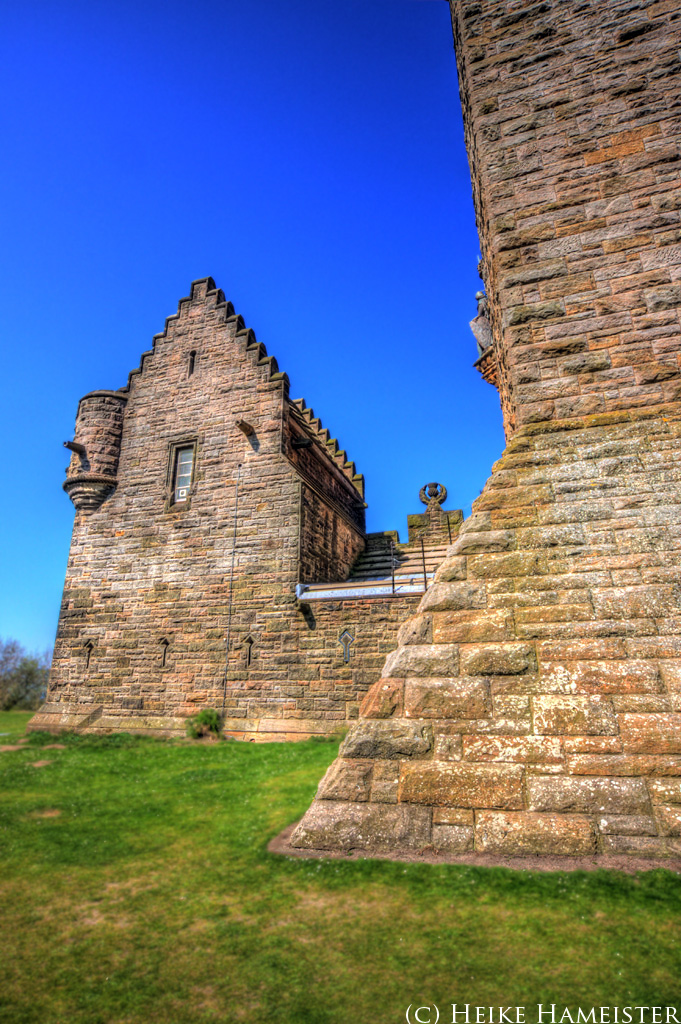
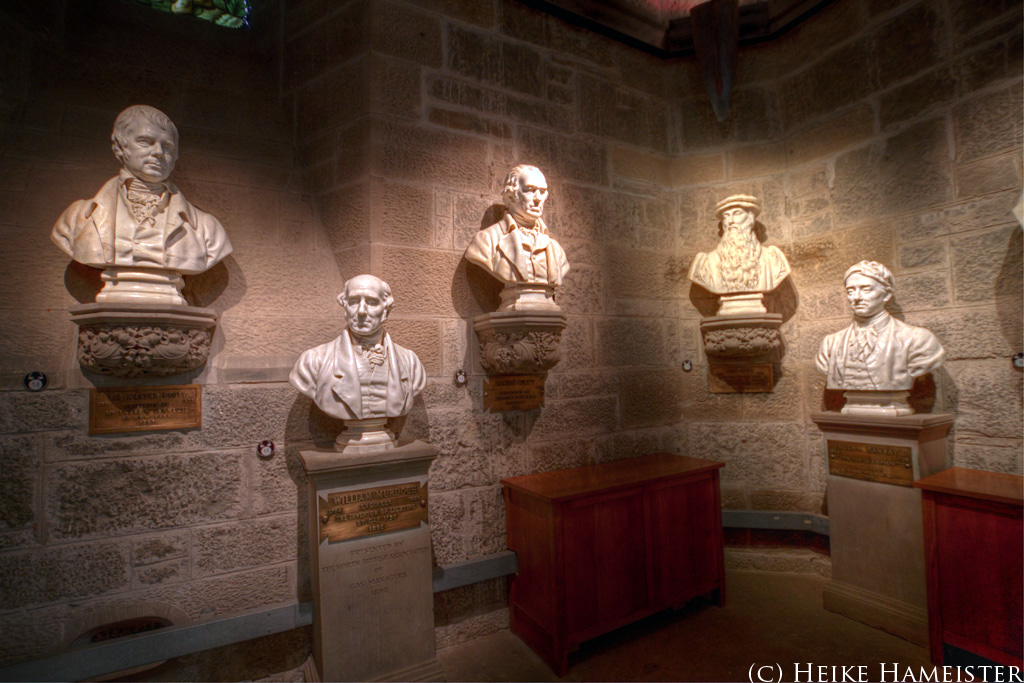
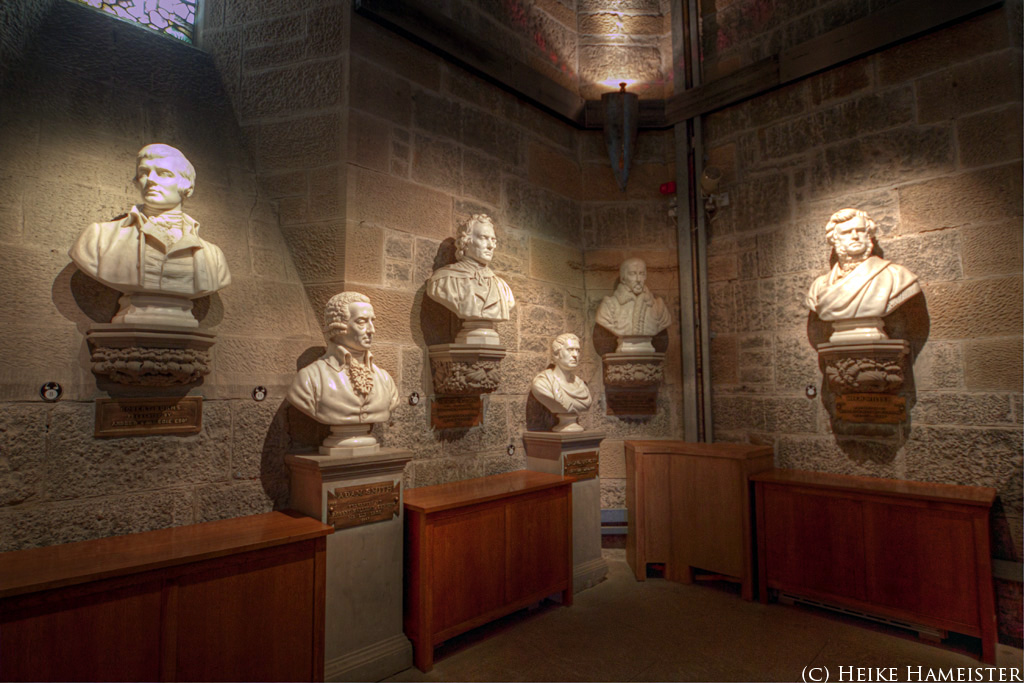
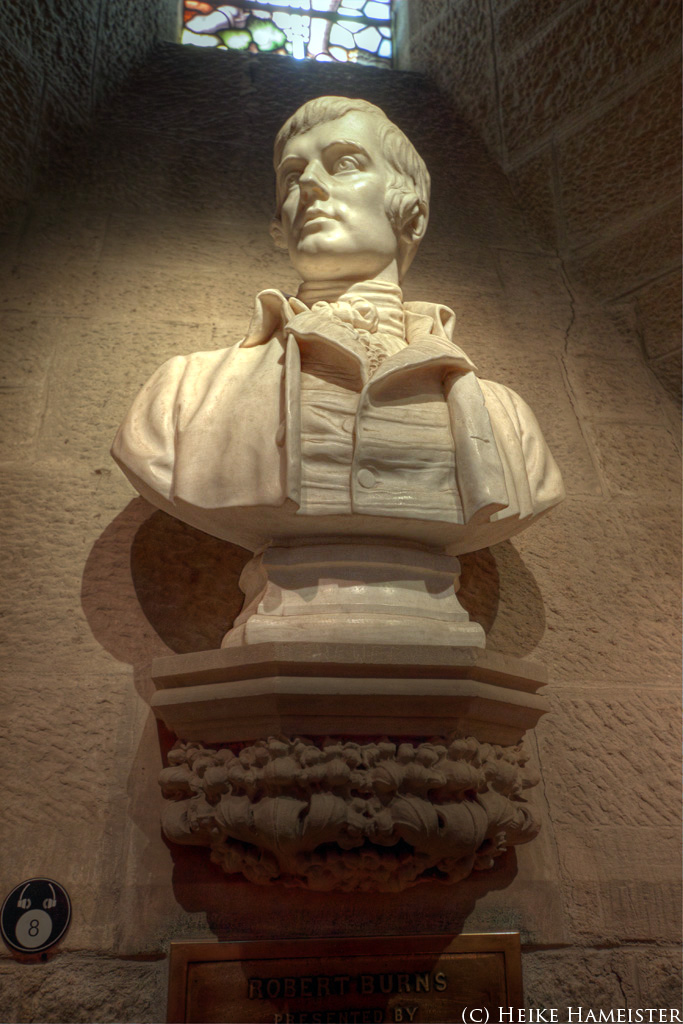
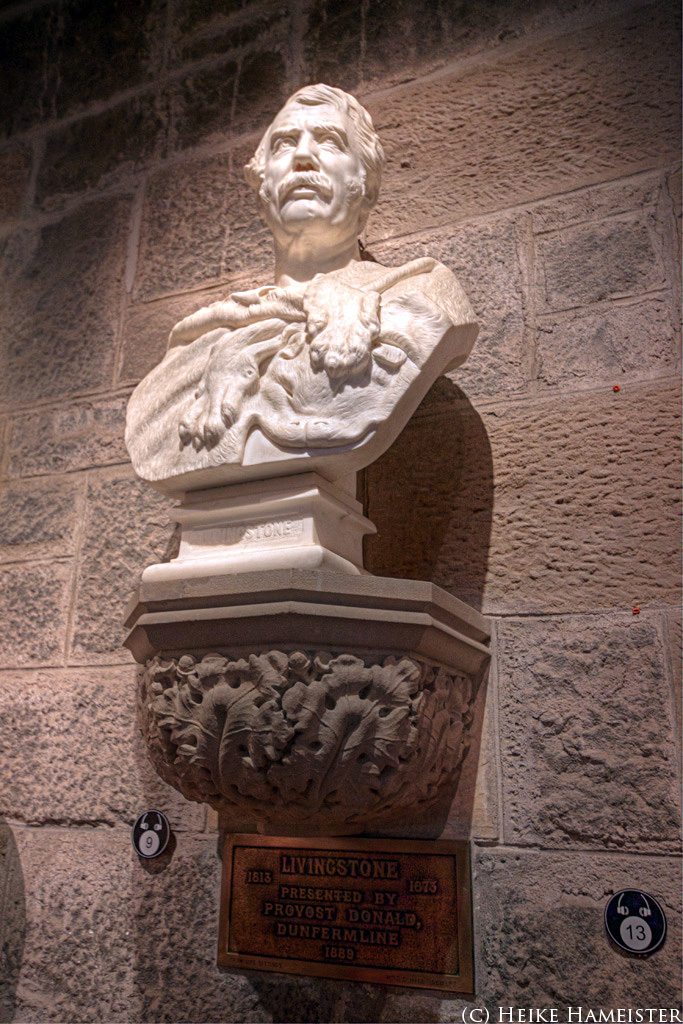
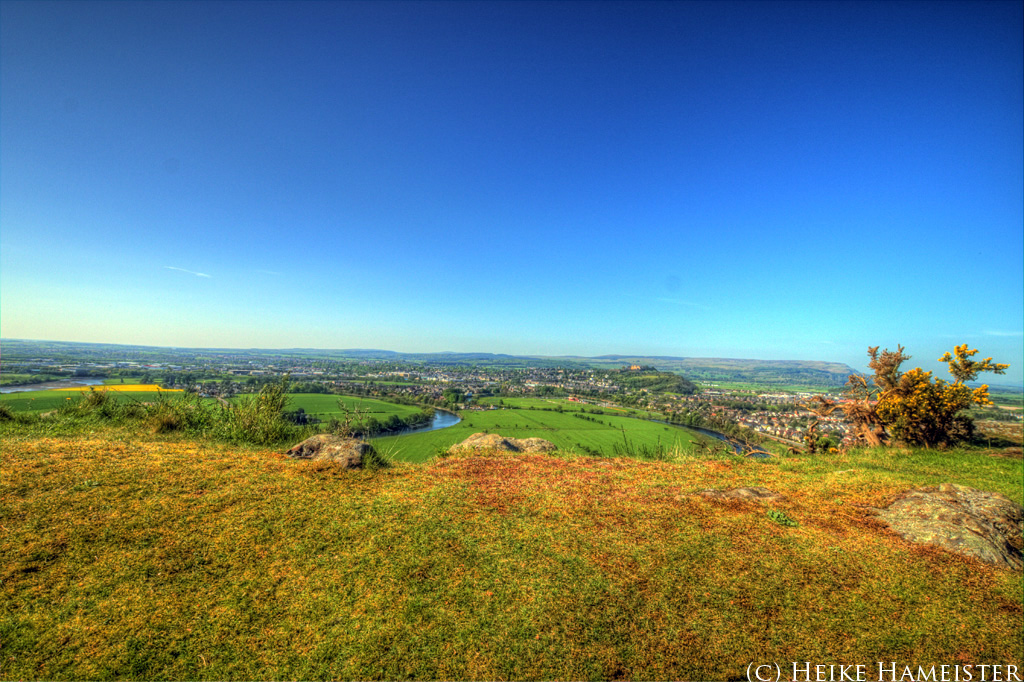
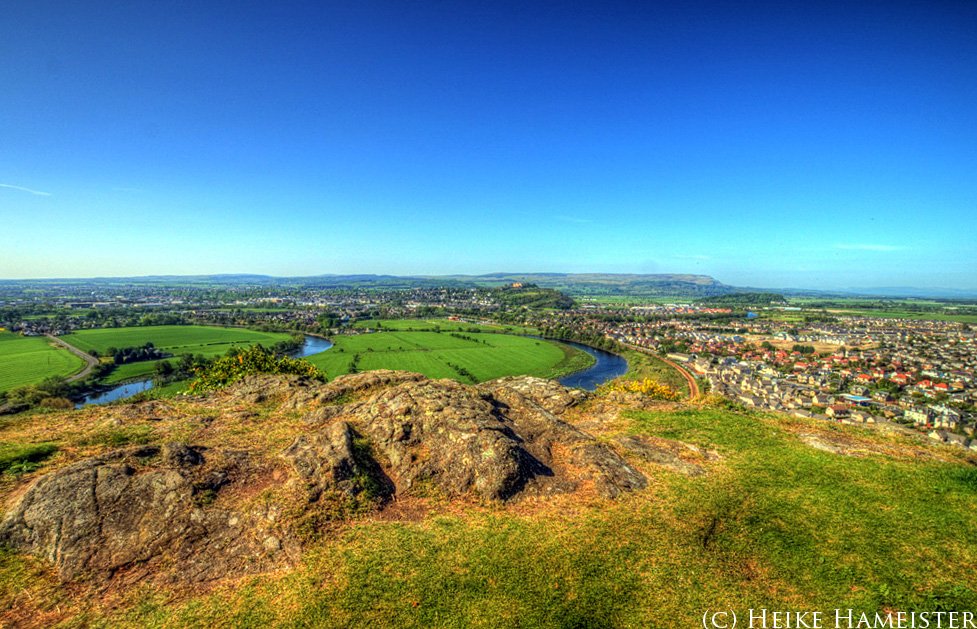
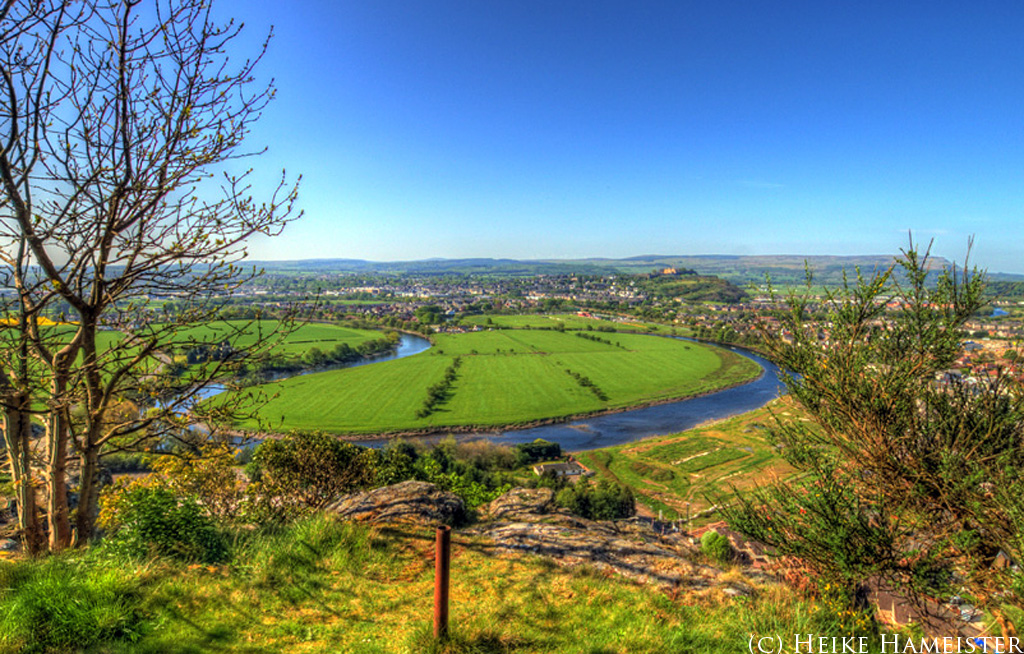
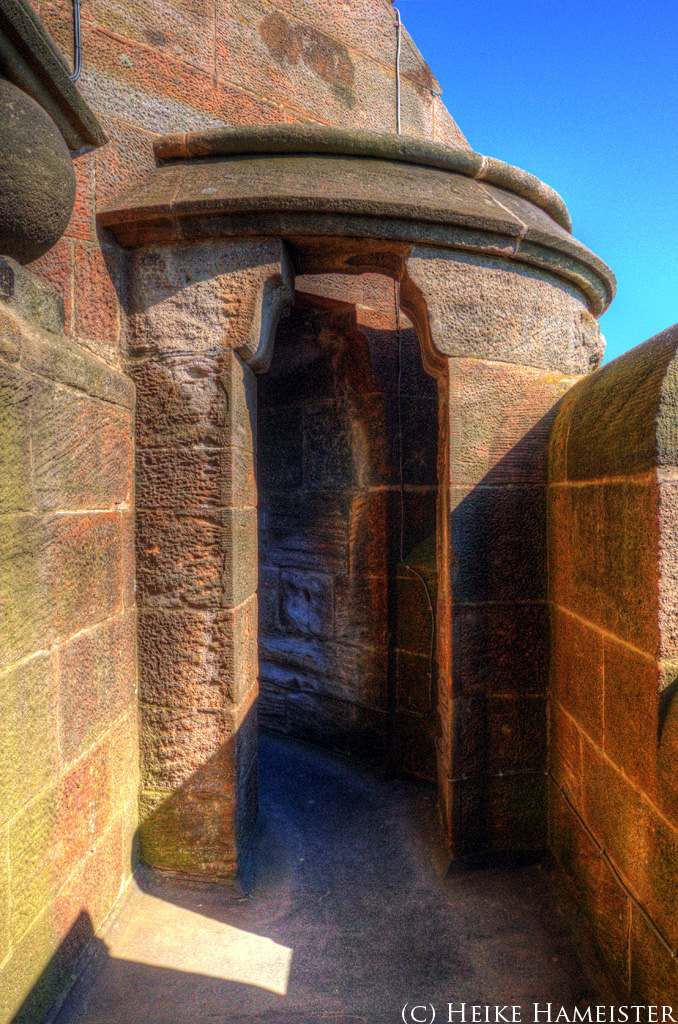
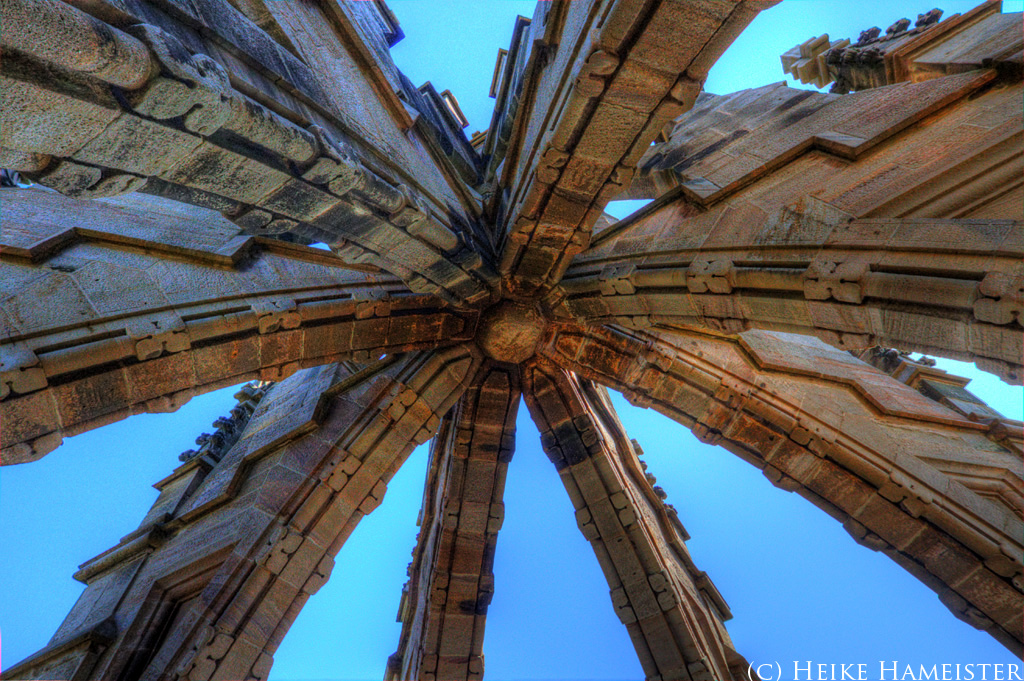
Crathes Castle is a 16th century castle near Banchory in Aberdeenshire and served as the ancestral seat of the Burnetts of Leys until gifted to the National Trust for Scotland (1951). In the year 1323, the land was given as a gift to the Burnett of Leys family by King Robert the Bruce. The construction of the current tower house was begun in 1553 and finished 1596 by Alexander Burnett of Leys. Through more than eight centuries, Aberdeen Harbour has an important role in the development and prosperity of North-east Scotland. In the year 1136 was the first recorded reference, when King David 1st of Scotland granted the Bishops of Aberdeen the right to levy a tithe on all ships trading at the port. The arrival of the offshore oil and gas industry in the mid 1960s resulted in a transformation into one of the most modern ports in Europe. Nowadays, Aberdeen Harbour handles around 4 million tonnes of cargo per year. You can find the recipe (in german) on my Blog: http://heikehameister.blogspot.com/ Torry is an area within the city of Aberdeen and is lying on the south bank of the River Dee. The Balnagask golf course offers panoramic city views from the east side of Torry. Furthermore, it is a good vantage point for viewing the dolphins which frequently visit the harbour mouth area. The Church of the Holy Rude was founded in 1129 and it is the second oldest building in the city after Stirling castle. On 29 July 1567 the infant son of Mary, Queen of Scots, was crowned James VI of Scotland here. Stirling is clustered around a large fortress and medieval old-town beside the River Forth. The origin of the city name Stirling is uncertain, but folk etymology suggests that it originates in either a Scots or Gaelic term meaning the place of battle, struggle or strife, but other sources suggest that it originates in a Brythonic name meaning „dwelling place of Melyn„. The National Wallace Monument is a tower standing near Stirling (Scotland) and commemorates Sir William Wallace. The tower was constructed in the 19th century and was the design of architect John Thomas Rochead. The monument is a 67-metre sandstone tower in Victorian Gothic style. It is situated on the Abbey Craig, from which Wallace was said to have watched the gathering of the army of king Edward I. It is possible to climb the 246 step spiral staircase to the viewing gallery inside the monument’s crown and open up the views of the Ochil Hills and the Forth Valley. The Hall of heroes includes a series of busts of famous Scots. |

 Comments are closed